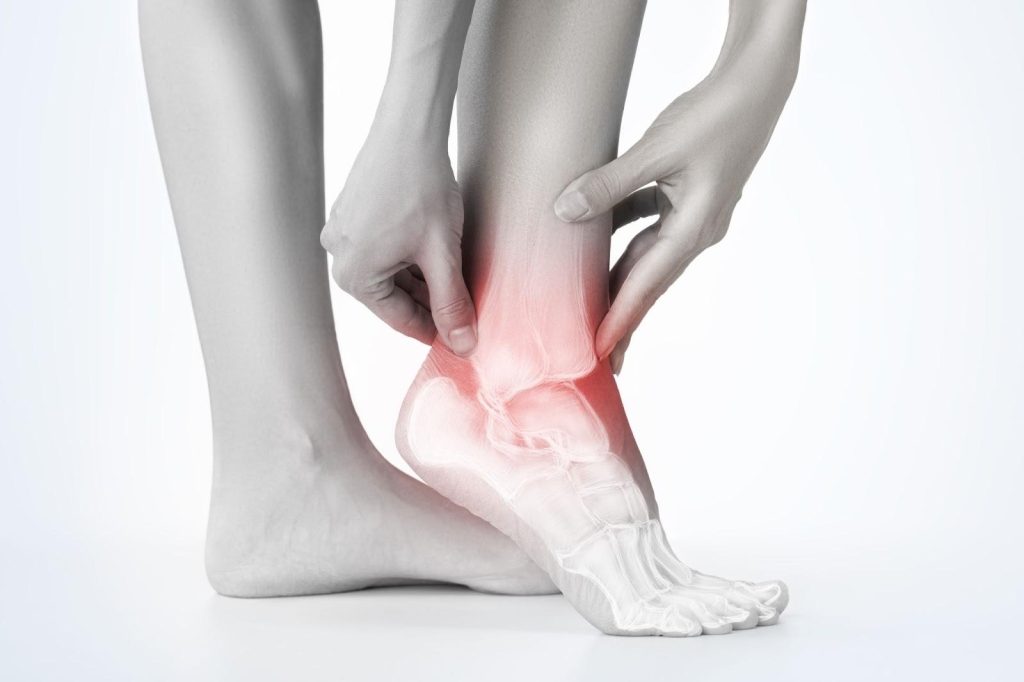
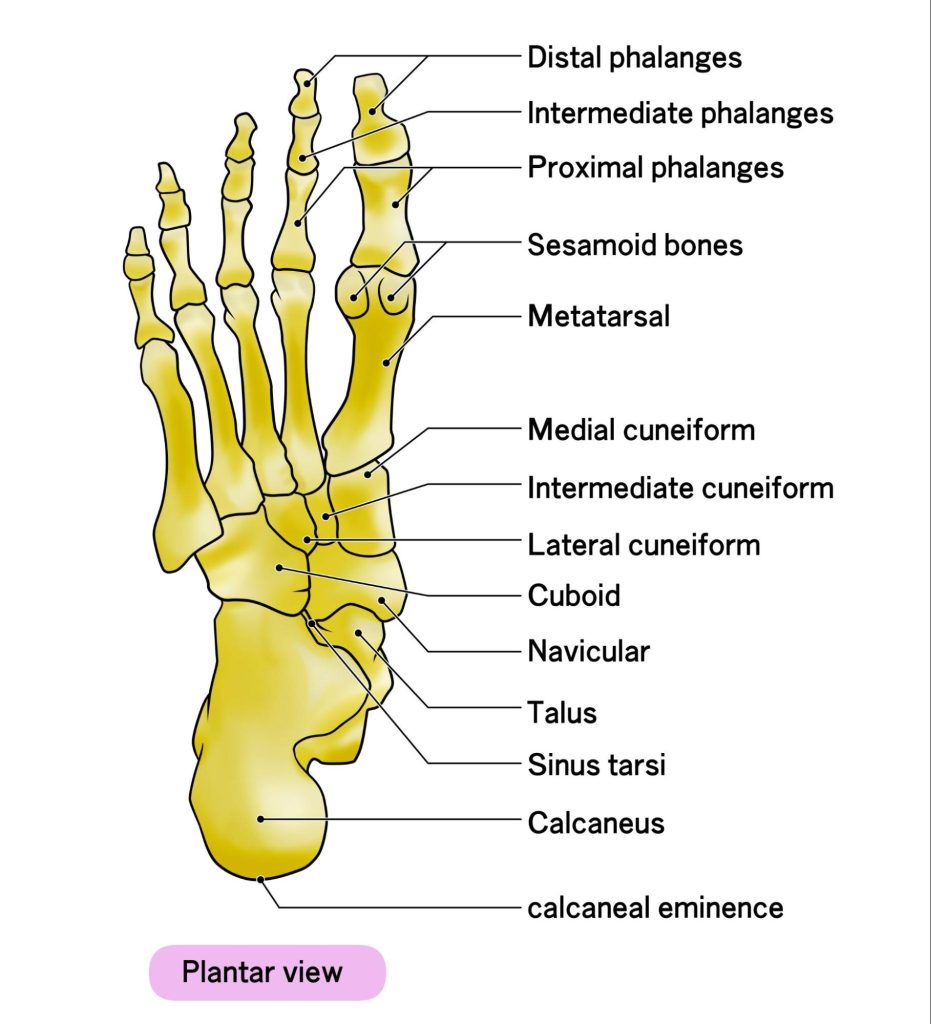
Sinus Tarsi Syndrome (STS) is a clinical condition characterised by pain and instability localised to the sinus tarsi, a small, cone-shaped cavity located on the outer side of the foot between the talus (ankle bone) and calcaneus (heel bone).
This anatomical space contains vital structures such as ligaments, blood vessels, and nerve endings that contribute to the stability, proprioception, and overall functionality of the foot and ankle.
Sinus Tarsi can cause pain at the outer side of the ankle due to inflammation or injury to the ligaments and tissues within the cavity.
Individuals with STS often experience discomfort that is exacerbated during activities requiring weight-bearing or when navigating uneven surfaces. The condition is frequently linked to trauma, such as an inversion ankle sprain, which can lead to ligamentous injury, synovitis (inflammation of the joint lining), or scar tissue formation within the sinus tarsi. Other contributing factors may include biomechanical abnormalities, repetitive stress on the foot, or degenerative conditions such as arthritis.
Despite its relatively small size, the sinus tarsi plays a pivotal role in maintaining foot stability and ensuring smooth motion during walking and running. Disruption to this delicate structure, whether through acute injury or chronic overuse, can significantly impair an individual’s mobility and quality of life. Diagnosing and treating Sinus Tarsi Syndrome promptly is essential to prevent further complications and restore optimal foot function.
Sinus Tarsi Syndrome is a condition causing pain and instability in the sinus tarsi, a small cavity between the ankle and heel bones.
What causes Sinus Tarsi Syndrome?
Sinus Tarsi Syndrome (STS) occurs when the structures within the sinus tarsi, including ligaments, synovial lining, and neurovascular components, are compromised due to injury or inflammation. The sinus tarsi serves as a critical stabiliser for the foot and ankle, with its ligaments working to maintain the alignment and balance of the subtalar joint. When excessive stress or trauma is applied to this area, such as during an inversion injury, the delicate ligaments can become overstretched or torn, leading to instability and irritation of the surrounding tissues.
This instability often disrupts the normal biomechanics of the subtalar joint, causing an inflammatory cascade that affects the synovial membrane within the sinus tarsi. The inflammation may lead to swelling, pain, and a reduction in proprioceptive feedback from the sensory nerves housed in this small space. Over time, repeated mechanical stress or unresolved inflammation can result in fibrosis or scarring, which may further exacerbate symptoms and limit the natural range of motion in the foot.
In some cases, degenerative changes in the subtalar joint, such as those seen in arthritis, may cause structural abnormalities that indirectly impact the sinus tarsi. These changes can increase pressure within the sinus tarsi, which may amplify inflammation and pain.
What are the symptoms of Sinus Tarsi Syndrome?
Sinus Tarsi Syndrome presents with a distinct set of symptoms that can significantly impact mobility and overall foot function. These symptoms typically arise due to inflammation or instability within the sinus tarsi. Common symptoms include:
Pain and tenderness — localised discomfort on the outer side of the ankle, particularly in the sinus tarsi region, is a hallmark symptom of this condition.
Swelling — noticeable puffiness around the ankle or heel, often triggered or exacerbated by physical activity.
Instability — a sensation of the foot giving way, especially during activities like walking on uneven surfaces or navigating stairs.
Difficulty with weight-bearing — challenges in performing activities such as walking, running, or standing for extended periods due to discomfort and pain.
Worsening pain with movement — increased pain during inversion or eversion movements of the foot, which involve tilting the sole inward or outward.
Reduced proprioception — impaired sense of balance or unsteadiness, stemming from disruptions in the sensory feedback within the sinus tarsi.
If you are experiencing these symptoms, it is important to seek medical attention for accurate diagnosis and timely intervention.
Who is at risk of Sinus Tarsi Syndrome in Singapore?
While Sinus Tarsi Syndrome can affect individuals across different demographics, certain factors make some people more susceptible to developing this condition, particularly in an active and urban setting like Singapore. Risk factors include:
History of ankle sprains — recurrent or severe inversion injuries can compromise the ligaments and structures within the sinus tarsi, leading to instability.
Active lifestyle or sports participation — athletes and active individuals involved in high-impact sports, such as basketball, football, or tennis, are at a higher risk due to the demands of sudden directional changes.
Biomechanical abnormalities — conditions like flat feet or overpronation increase the strain on the sinus tarsi, contributing to inflammation or injury.
Degenerative conditions — disorders such as arthritis or posterior tibial tendon dysfunction can indirectly stress the sinus tarsi by affecting the subtalar joint.
Prolonged standing or walking — professionals with jobs requiring long hours on their feet, particularly on uneven or hard surfaces, are more susceptible.
Post-surgical recovery — altered gait patterns following foot or ankle surgeries, may increase stress on the sinus tarsi, which may increase the likelihood of developing this condition.
How is Sinus Tarsi Syndrome diagnosed?
At Cove Orthopaedics, we prioritise comprehensive diagnoses to ensure the most effective treatment for Sinus Tarsi Syndrome. Our approach combines a thorough clinical evaluation with diagnostic tools to pinpoint the underlying causes of your symptoms.
Clinical examination — our doctor begins with a detailed assessment of your medical history and symptoms. This includes palpating the sinus tarsi area to identify tenderness, evaluating foot stability, and observing gait patterns for signs of instability or altered biomechanics.
Imaging studies — we use imaging techniques, such as X-rays to rule out fractures or degenerative conditions in the subtalar joint. For more detailed insights, MRI or CT scans may be performed to detect inflammation, ligament injuries, or soft tissue abnormalities within the sinus tarsi.
Diagnostic injections — to confirm the diagnosis, a local anaesthetic may be injected into the sinus tarsi. If this provides significant pain relief, it helps establish the sinus tarsi as the primary source of your discomfort.
Biomechanical assessment — we assess the alignment and function of your foot and ankle to look for contributing factors such as flat feet or overpronation that may exacerbate the condition.
What are the treatment options for Sinus Tarsi Syndrome in Singapore?
At Cove Orthopaedics, we focus on providing personalised treatment options for Sinus Tarsi Syndrome. Our approach is designed to address the underlying causes of your symptoms while prioritising your comfort and recovery. Depending on the severity of your condition, we may recommend one or a combination of the following treatments:
Rest and activity modification — reducing or avoiding activities that aggravate your symptoms allows the sinus tarsi to heal and prevents further strain on the affected area.
Physical therapy — we develop customised exercises and techniques to help strengthen the surrounding muscles, improve joint stability, and restore normal foot function.
Anti-inflammatory medications — oral or topical medications may be prescribed to reduce pain and inflammation, which offer relief during the recovery process.
Orthotic devices — specially designed insoles or braces can provide additional support to the foot, which helps correct biomechanical issues such as overpronation that may contribute to the condition.
Minimally invasive surgery — in cases where conservative treatments do not provide adequate relief, surgical intervention may be considered to remove scar tissue, address ligament injuries, or stabilise the subtalar joint.
At Cove Ortho, our goal is to help you find relief from your symptoms and restore mobility through treatment options designed for your condition. If you are experiencing symptoms of Sinus Tarsi Syndrome, schedule a consultation with Cove Orthopaedics today to take the first step towards effective management and recovery.
Frequently asked questions
Yes, while it often occurs in one ankle, Sinus Tarsi Syndrome can affect both ankles simultaneously, especially if underlying factors like biomechanical abnormalities are present.
Recovery time varies depending on the severity of the condition and adherence to treatment. With appropriate management, many individuals experience improvement within a few weeks to months.
Surgery is usually not necessary for most patients with Sinus Tarsi Syndrome. Non-surgical treatments can be very successful in relieving pain and swelling.
If left untreated or if treatment is delayed, Sinus Tarsi Syndrome can become chronic, leading to persistent pain and instability in the affected foot.
Yes, preventive measures can help reduce the risk of developing Sinus Tarsi Syndrome. These include wearing supportive footwear to improve foot stability, avoiding activities that strain the ankle excessively, and performing exercises to strengthen the muscles around the ankle and foot.
Walking, especially on uneven surfaces, can aggravate Sinus Tarsi Syndrome as it puts additional stress on the affected area. Rest and activity modification are often recommended to allow healing and prevent further irritation.
If left untreated, Sinus Tarsi Syndrome can lead to chronic pain, persistent instability, and difficulty performing daily activities. Prolonged inflammation may also result in structural damage or degenerative changes in the foot.
Sinus tarsi syndrome is a rare condition that is typically caused by ankle subtalar joint instability. The following are the two most common causes of subtalar instability:
Abnormal Foot Biomechanics: People who have over-pronated or flat feet are more likely to develop sinus tarsitis. The changed foot position puts more pressure on the sinus tarsi region.
Ankle Sprains: Subtalar joint instability is a common problem after an ankle sprain.
Other activities that can result in sinus tarsi syndrome due to repetitive actions include:
Ballet: because of foot positions.
Sit with your feet tucked beneath you.
Baseball/Softball Pitchers: because of the trailing foot’s position.
At Cove Orthopaedic Clinic, our utmost importance is in helping our patients maintain or regain the mobility that they deserve, all through excellent patient care right from the start.
Happy and satisfied patients are what keeps us going!
If you have further enquiries or would like to make an appointment at Cove Orthopaedic Clinic, simply fill in the form below or call us at +65 9631 7637.