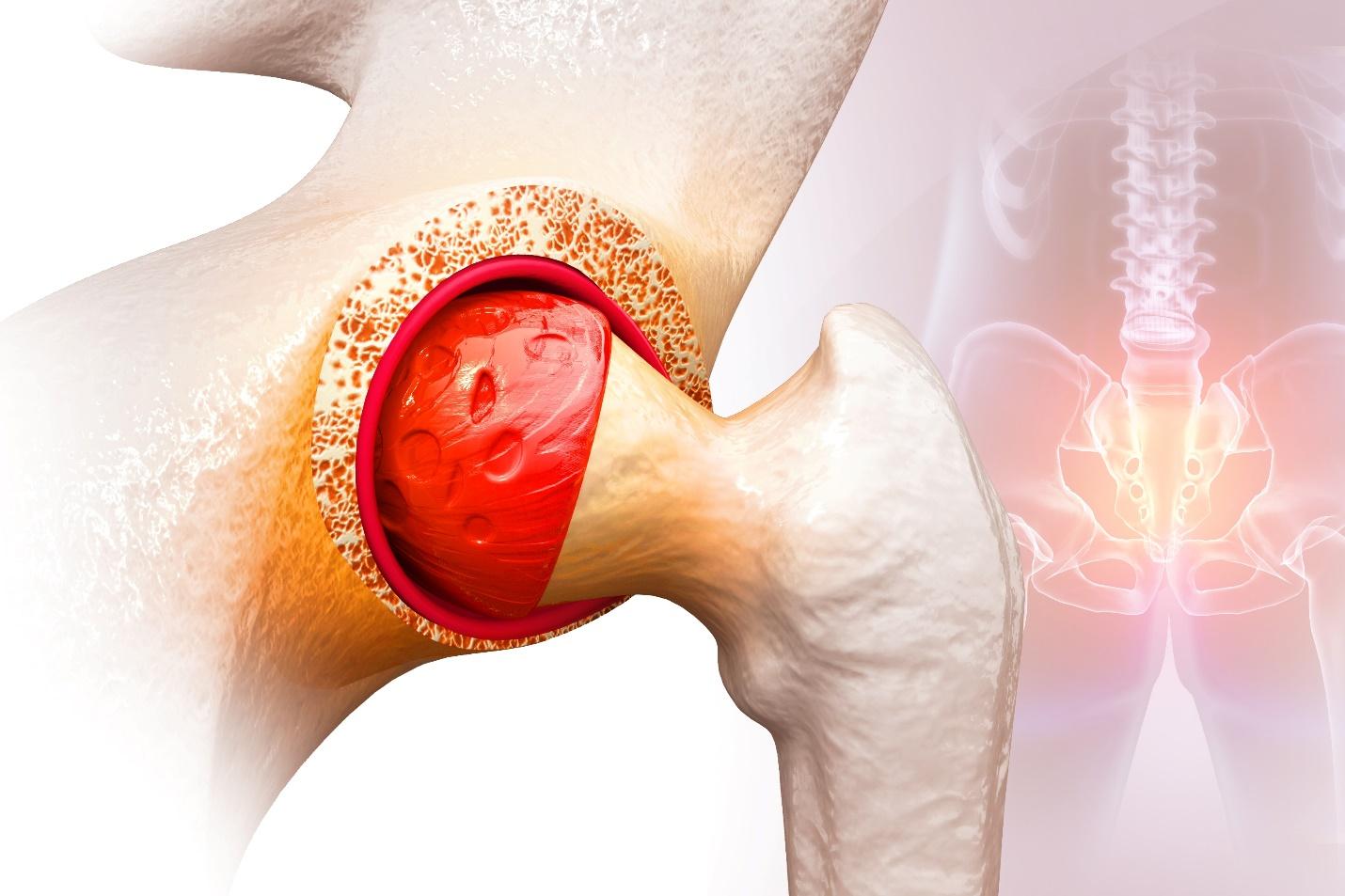
Hip impingement, also known as femoroacetabular impingement (FAI), is a condition where the ball and socket of the hip joint do not move smoothly due to abnormal bone shape or joint alignment.
This irregular contact causes the bones to rub against each other during movement, leading to pain, stiffness, and eventual damage to the cartilage and labrum that support the joint.
Hip impingement is most common in active young adults and athletes, but it can affect anyone with structural irregularities in the hip. Early diagnosis and treatment can help prevent long-term joint problems.
Hip impingement is a joint condition characterised by abnormal contact between the femoral head and acetabulum, resulting in pain, restricted motion, and potential joint damage over time.
Types of hip impingement
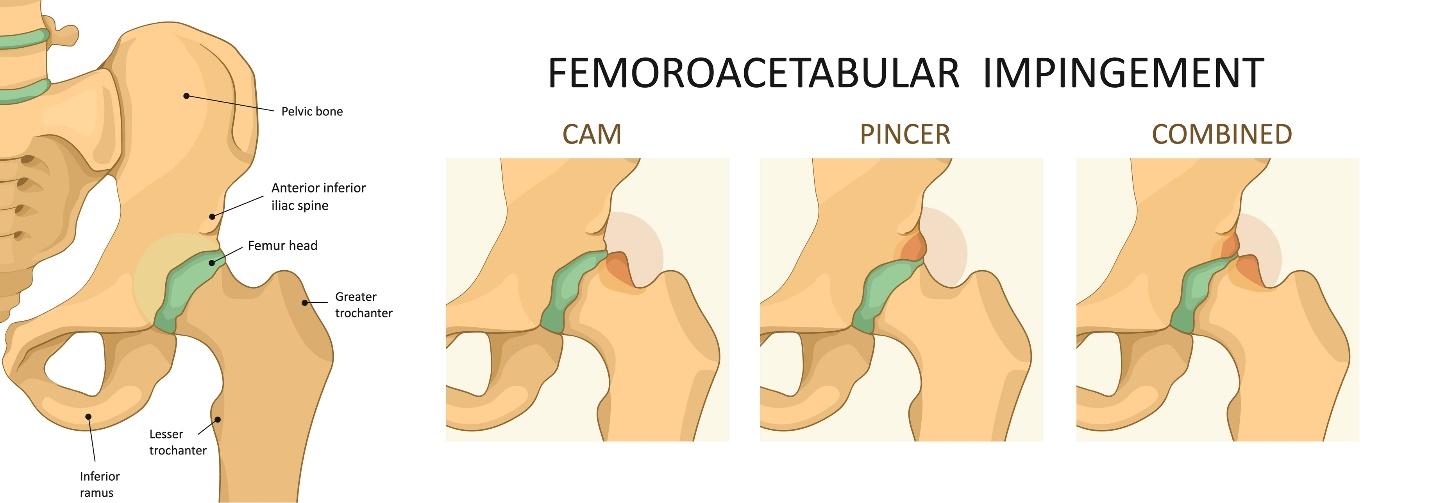
There are three primary types of hip impingement:
Cam impingement — cam impingement is typically caused by an irregularly shaped femoral head that does not fit properly into the socket.
Pincer impingement — pincer impingement results from excessive coverage of the femoral head by the acetabulum.
Combined impingement — combined impingement is a mix of both cam, and pincer impingement.
Although each type can affect joint mechanics differently, it all eventually leads to increased wear and tear.
What causes hip impingement?
Hip impingement, also known as femoroacetabular impingement (FAI), develops when there is abnormal contact between the ball (femoral head) and socket (acetabulum) of the hip joint. This irregular contact limits smooth movement, causes pain, and can eventually damage the joint. Here are the primary causes of hip impingement:
Structural abnormalities — the most common cause of hip impingement is a structural irregularity in the shape of the hip bones. These bony abnormalities alter the natural movement of the hip and cause the two joint surfaces to rub against each other, especially during bending, squatting, or sitting. Over time, this friction wears down the cartilage and damages the labrum.
In cam impingement, the femoral head is not perfectly round, which makes it difficult for it to rotate smoothly inside the socket.
In pincer impingement, the socket is too deep or covers too much of the ball, leading to compression of the labrum (cartilage rim).
Repetitive strain — certain activities that place repeated stress on the hip joint can worsen or even trigger impingement, particularly in individuals with existing structural issues.
Sports like football, hockey, ballet, and running involve repetitive hip flexion and twisting.
These motions increase the contact between the femoral head and acetabulum, leading to inflammation, cartilage breakdown, and eventual joint damage.
When left untreated — although hip impingement is not life-threatening, it should not be ignored. Without treatment, it can lead to long-term complications, including:
Hip labral tear — damage to the cartilage ring that cushions the joint.
Hip flexor strain— overloading of surrounding soft tissues due to altered biomechanics.
There are three types of hip impingement, with each type leading to the eventual wear, and tear of the joints.
What are the symptoms of hip impingement?
Hip impingement often starts with mild discomfort and gradually progresses to more noticeable symptoms as the condition worsens. These symptoms typically appear during or after physical activity, especially movements that involve bending at the hip. Common symptoms include:
Groin pain — a deep, aching pain in the front of the hip that may radiate to the thigh or buttock.
Stiffness — reduced flexibility or difficulty rotating the hip, especially after sitting for long periods.
Pain during hip flexion — discomfort when bending forward, sitting low, squatting, or climbing stairs.
Clicking or catching sensation — a feeling of the hip "catching" or "locking" during movement.
Reduced range of motion — difficulty moving the hip freely or fully, especially with twisting or turning.
Pain after activity — symptoms often flare up after exercise or prolonged physical activity.
If you notice any of these symptoms, particularly if they persist or interfere with daily movement, it may be time to seek a professional assessment. Early intervention can help preserve joint function and delay the progression of damage.
Hip impingement pain typically presents as a deep, aching discomfort in the groin or front of the hip, often worsened by bending or prolonged sitting.
Who is at risk of developing hip impingement in Singapore?
Hip impingement can affect both active and sedentary individuals, but certain factors increase the likelihood of developing this condition. These include a combination of anatomical structure, lifestyle, and activity level. Knowing the risk factors can help with early detection and prevention.
You may be at higher risk if you:
Have a structural hip abnormality — conditions like a misshapen femoral head (cam) or deep socket (pincer) can be present from a young age.
Engage in repetitive hip flexion — frequent squatting, bending, or twisting motions can increase joint wear and tear.
Have a family history of hip problems — genetics may influence bone shape and joint structure.
Experienced previous hip injuries — past trauma or fractures can alter joint mechanics and contribute to impingement.
Are in your teens to early 40s — symptoms often start in young adults who are active, but the condition can develop at any age.
How is hip impingement diagnosed?
Diagnosing hip impingement involves a combination of clinical evaluation and imaging to confirm the presence of structural abnormalities and rule out other causes of hip pain. A proper diagnosis is key to determining the right treatment plan.
The diagnostic process typically includes:
Detailed history taking — your doctor will ask about your symptoms, when they started, and any activities that worsen the pain
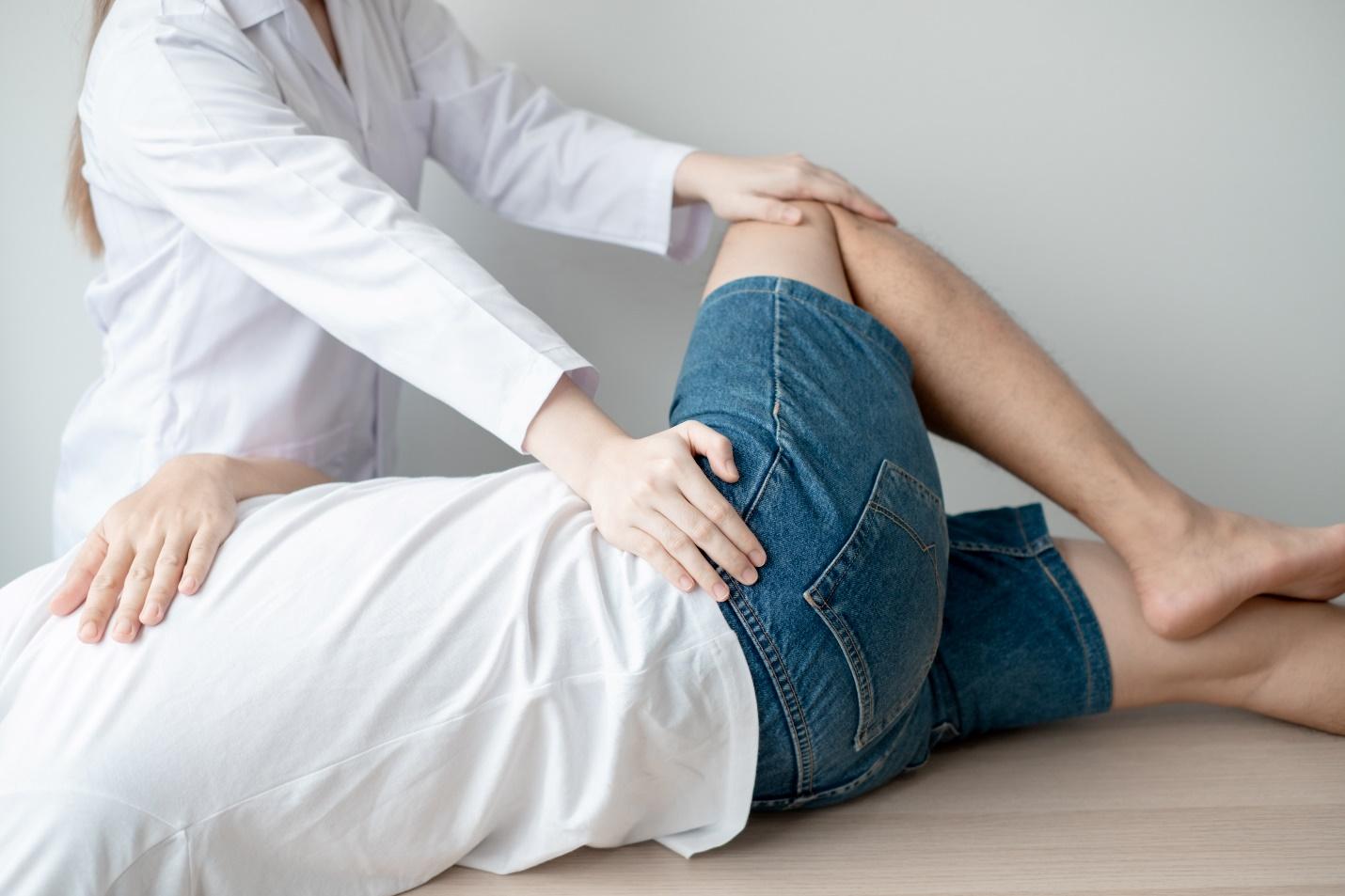
Physical examination — specific tests, such as the impingement test (flexing the hip while turning it inward), are used to reproduce symptoms and assess joint mobility
X-rays — help detect structural irregularities in the femoral head or acetabulum, such as cam or pincer lesions
MRI or MR arthrogram — provides detailed images of the soft tissues, including the labrum and cartilage, to identify tears or inflammation
CT scan (in select cases) — may be used to get a more precise 3D view of bone structures if surgical planning is required
What are the treatment options for hip impingement in Singapore?
Treatment for hip impingement focuses on relieving pain, restoring mobility, and preventing further joint damage. The best approach depends on the severity of symptoms, extent of joint damage, and your activity level. Both non-surgical and surgical options are available, and most patients start with conservative care before considering surgery.
Depending on the severity of your condition, the following treatment may be recommended:
Non-surgical Treatments
For mild to moderate cases of hip impingement, our orthopaedic specialist often starts with conservative methods, such as:
Activity Modification — activity modification entails avoiding activities that exacerbate hip pain to help reduce joint stress and irritation.
Injections — injections such as corticosteroids may be recommended to manage inflammation and provide temporary relief.
Medication — over-the-counter non-steroidal anti-inflammatory drugs (NSAIDs) can help alleviate pain and inflammation.
Physical therapy — a personalised, and customisable therapy programme focuses on improving hip strength, flexibility, and range of motion to optimise joint function, and reduce symptoms.
Ice Therapy — ice therapy involves applying ice packs to the affected area to ease inflammation and pain, especially after physical activities.
Surgical Treatments
For severe or persistent cases of hip impingement, surgical intervention may be required, which entails:
Arthroscopic surgery — an arthroscopic surgery is a minimally invasive procedure that removes or reshapes damaged cartilage or bone to restore proper joint mechanics.
Open surgery — a complex case, open surgery may be necessary to correct significant structural abnormalities.
Rehabilitation Process
Rehabilitation plays a key role in the treatment of hip impingement, focusing on restoring joint function, reducing pain, and preventing further injury through targeted physiotherapy and movement retraining. The rehabilitation plan primarily includes:
Strength training — strength training involves targeted exercises to build strength in the surrounding muscles, thereby improving hip stability.
Range of motion exercises — these exercises restore hip flexibility, and prevent stiffness.
Gradual return to activities — this entails a phased approach to ensure safe reintroduction to daily activities and sports, which helps minimise the risk of reinjury.
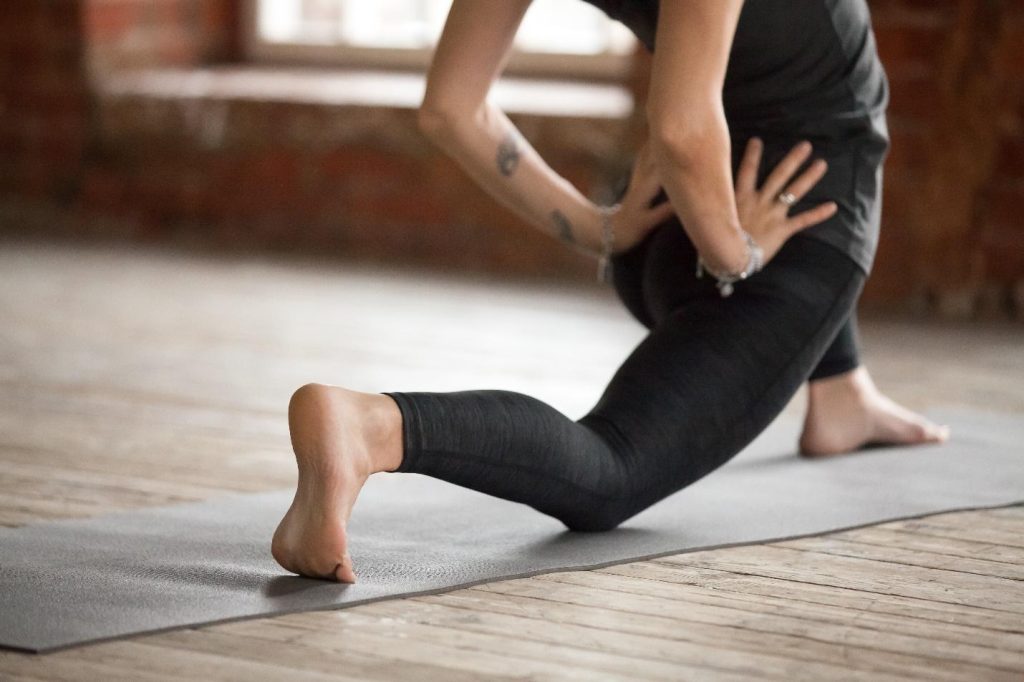
While it is nearly impossible to prevent hip impingement, certain exercises, such as yoga, can help lower the risk of hip impingement.
Summary
Hip impingement, or femoroacetabular impingement (FAI), occurs when the ball and socket of the hip joint do not fit together properly, causing abnormal contact, pain, and restricted movement. It is often caused by structural abnormalities like cam or pincer deformities, and can be worsened by repetitive strain from high-impact activities.
Common symptoms include groin pain, stiffness, reduced range of motion, and a clicking sensation in the hip. Those at higher risk include athletes, individuals with existing hip abnormalities, or a family history of joint issues. Diagnosis typically involves physical examination and imaging such as X-rays or MRI scans. Treatment options range from physiotherapy and activity modification to surgical correction in more severe cases.
If you are experiencing persistent hip pain or reduced mobility, schedule a consultation with us for a comprehensive diagnosis and personalised treatment plan.
Conditions We Treat
Hip
Head
Hand & Wrist
Foot & Ankle
Elbow
Frequently asked questions
Typical signs include deep groin pain, stiffness, and pain during activities like sitting, squatting, or twisting. Diagnosis is confirmed through a clinical exam and imaging tests like X-rays or MRI.
Gentle stretching, avoiding triggering movements, and guided physiotherapy can ease symptoms. Some people benefit from targeted exercises to improve hip mobility and strength.
Mild cases may improve with rest and conservative care, but structural causes won’t resolve on their own. Ignoring symptoms can lead to joint damage over time.
Yes, especially in sports that involve repetitive hip flexion like football, hockey, or dance. High activity levels can worsen underlying bone irregularities.
While you can’t change bone shape, avoiding overuse, improving posture, and strengthening the core and hips may help reduce strain on the joint.
Persistent impingement can lead to labral tears, cartilage damage, and early-onset hip arthritis. Early treatment helps protect long-term joint health.
Active young adults, athletes, and individuals with naturally misshapen hip bones are more likely to develop symptoms. Genetics and past injuries may also play a role.
It usually feels like a deep ache or sharp pain in the front of the hip or groin, often triggered by sitting, bending, or rotating the hip.
Low-impact exercises like swimming or cycling may be safe, but high-impact or deep flexion movements should be avoided until cleared by your doctor.
At Cove Orthopaedic Clinic, our utmost importance is in helping our patients maintain or regain the mobility that they deserve, all through excellent patient care right from the start.
Happy and satisfied patients are what keeps us going!
Consult Us Today
If you have further enquiries or would like to make an appointment at Cove Orthopaedic Clinic, simply fill in the form below or call us at +65 9631 7637.