The gluteus medius is a key muscle located in the outer hip. It plays a crucial role in stabilising the pelvis, supporting balance, and facilitating hip movement.
The muscle extends from the outer surface of the ilium (hip bone) to the greater trochanter of the femur (thigh bone).
Gluteus Medius Tendinopathy refers to the degeneration or dysfunction of the gluteus medius tendon. This results in pain, weakness, and difficulty with movement. If it is left untreated, this condition can progress to gluteal tendinopathy or even lead to tears, significantly impairing daily activities such as walking, standing, and climbing stairs.
Gluteus medius tendinopathy is a condition causing pain and tenderness on the outer side of the hip, near the greater trochanter.
What is Gluteus Medius Tendinopathy?
The gluteus medius is a key muscle located in the outer hip. It plays a crucial role in stabilising the pelvis, supporting balance, and facilitating hip movement. The muscle extends from the outer surface of the ilium (hip bone) to the greater trochanter of the femur (thigh bone).
Gluteus Medius Tendinopathy refers to the degeneration or dysfunction of the gluteus medius tendon. This results in pain, weakness, and difficulty with movement. If it is left untreated, this condition can progress to gluteal tendinopathy or even lead to tears, significantly impairing daily activities such as walking, standing, and climbing stairs.
What causes Gluteus Medius Tendinopathy?
The gluteus medius tendon plays a crucial role in stabilising the pelvis while walking, and standing. However, repetitive stress, and overuse can lead to micro-tears, inflammation or degeneration in the tendon. This condition often develops gradually, and may be exacerbated by factors such as excessive running, prolonged standing, improper gait mechanics, muscle imbalances or a history of hip injuries, such as hip fracture, hip impingement or hip flexor strain.
Additionally, inadequate hip strength, and poor biomechanics can contribute to excessive strain on the gluteus medius tendon, weakening its function, and leading to discomfort that can limit mobility if left untreated.
What are the symptoms of Gluteus Medius Tendinopathy?
The symptoms of gluteus medius tendinopathy vary depending on its severity. However, some of the common signs include:
Discomfort when lying on the affected side, making sleeping difficult.
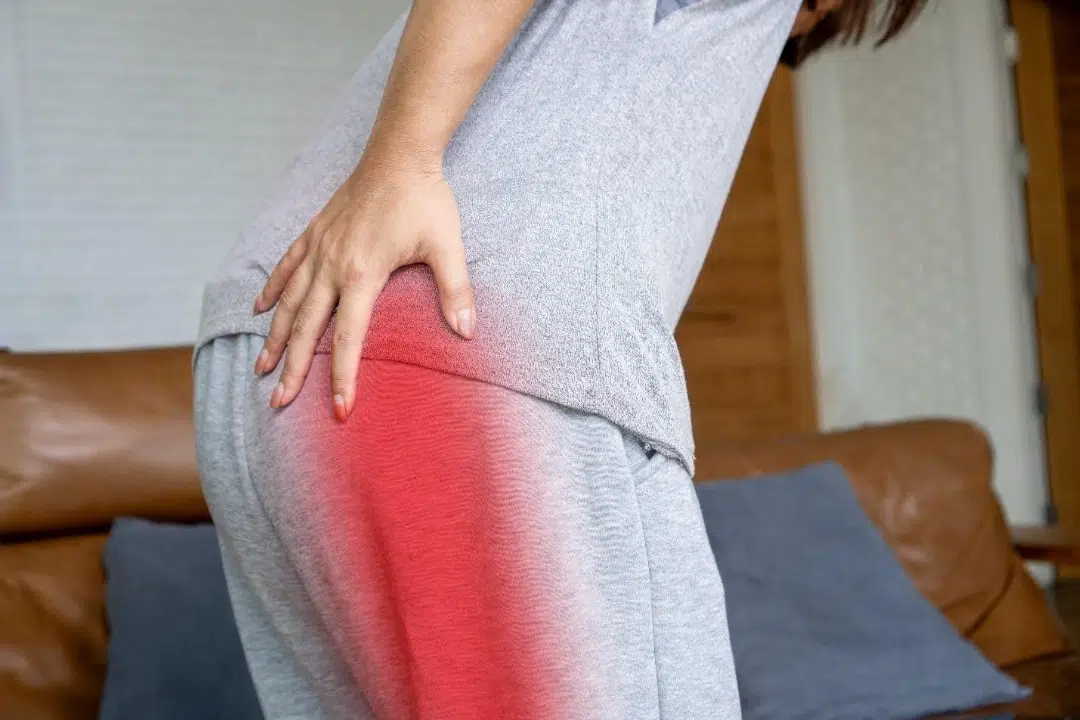
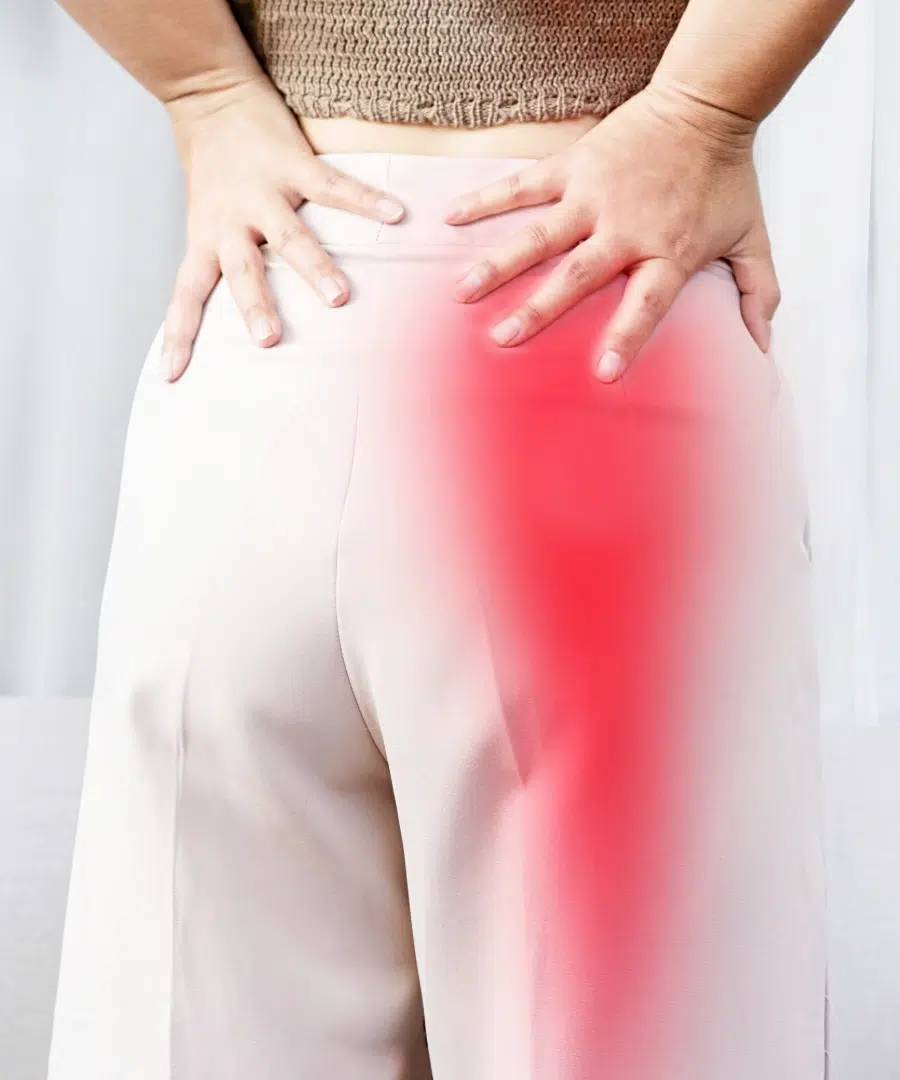
Pain or tenderness on the outer hip, particularly over the greater trochanter.
Pain that worsens with prolonged standing, walking or climbing stairs.
Stiffness or reduced range of motion in the hip.
Swelling or inflammation around the hip area.
Weakness in the hip, leading to instability or limping.
Gluteus medius tendinopathy can cause pain on the outer hip, especially when walking or climbing stairs. The discomfort results from inflammation or degeneration of the tendon, leading to tenderness and stiffness in the hip region.Women are more susceptible due to hormonal influences
Who is at risk of developing Gluteus Medius Tendinopathy?
Gluteus medius tendinopathy is a relatively common condition, particularly among certain demographics. Some of the common risk factors include:
Age–tendon degeneration is more common among individuals over 40, as tendons lose elasticity, and strength with age, making them more prone to injury.
Gender– women are more susceptible due to hormonal influences, and a higher prevalence of hip structure differences that may contribute to increased strain on the tendon.
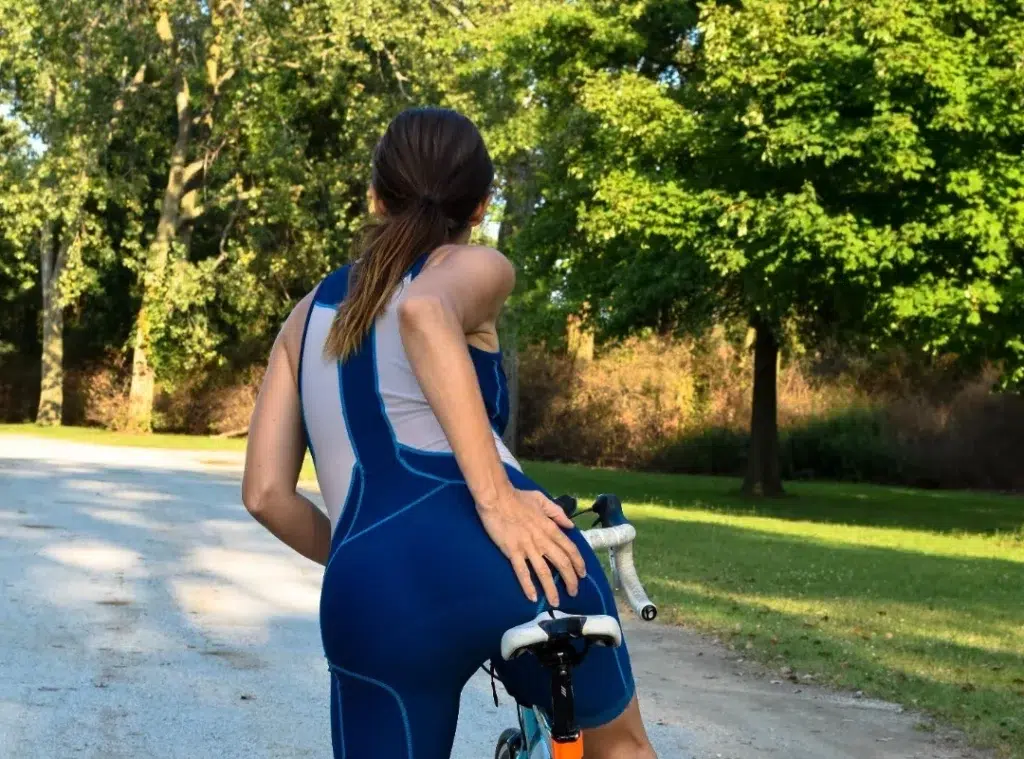
Repetitive strain– individuals who engage in high-impact sports or repetitive hip movements, such as runners, cyclists, and dancers, are at a higher risk.
Hip weakness or muscle imbalances–weak hip muscles place additional strain on the gluteus medius tendon, leading to overuse, and potential injury.
Poor biomechanics– improper gait mechanics, leg length discrepancies, or excessive foot pronation can contribute to excessive stress on the gluteus medius tendon.
Obesity– excess weight increases pressure on the hips, raising the risk of tendinopathy due to added strain on the tendon.
How is Gluteus Medius Tendinopathy diagnosed in Singapore?
Diagnosing gluteus medius tendinopathy requires a thorough evaluation to pinpoint the condition and its severity.
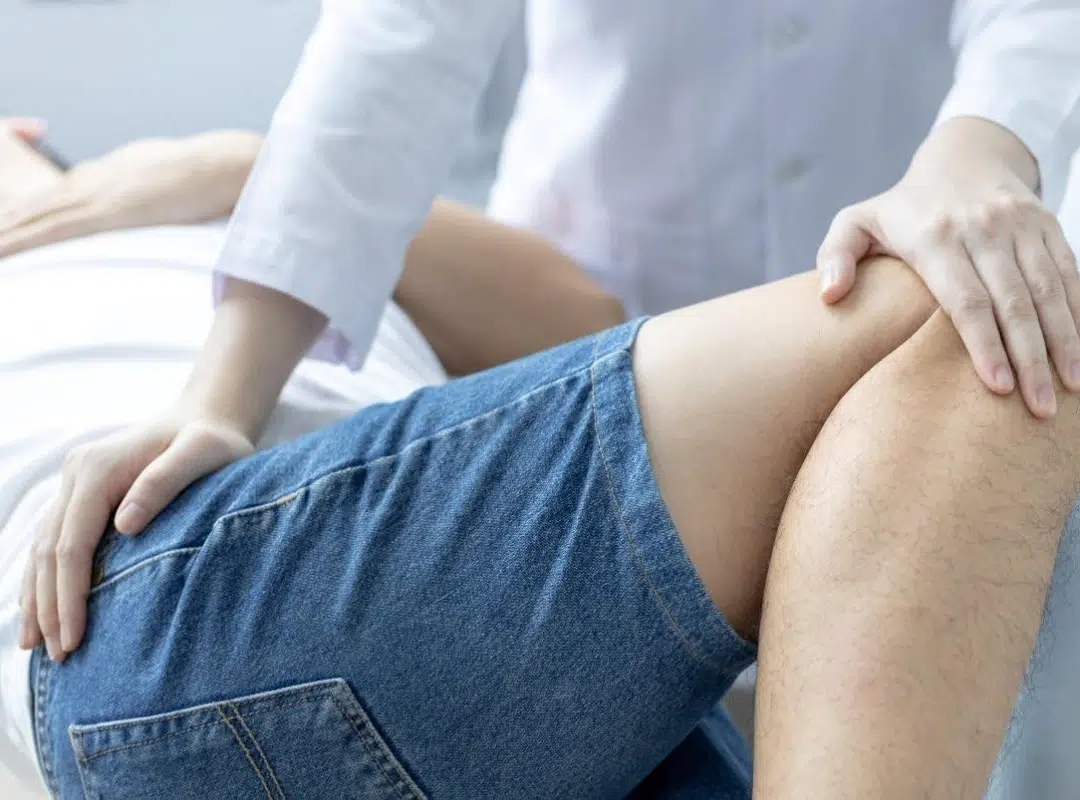
During the physical examination, our specialist will assess:
Tenderness or pain along the outer hip.
Gait abnormalities or limping.
Range of motion and pain levels in the hip joint.
Hip strength and function through resistance tests.
To confirm the diagnosis and assess the extent of tendon damage, our specialist may recommend imaging tests, including:
Ultrasound– a non-invasive imaging technique used to visualise the gluteus medius tendon, and detect inflammation, tears or degeneration.
Magnetic Resonance Imaging (MRI)– provides detailed images of the tendon, muscles, and surrounding structures to assess the severity of the condition.
X-rays– helps rule out other conditions, such as hip arthritis or fractures, that may contribute to hip pain.
A physiotherapist guides a patient through targeted exercises to strengthen the gluteus medius, and alleviate pain from tendinopathy.
How is Gluteus Medius Tendinopathy treated in Singapore?
Treatment for gluteus medius tendinopathy varies based on severity, ranging from conservative measures to surgical intervention.
Conservative Treatments
Bracing– a hip brace can provide support and reduce strain on the tendon during movement.
Injections – corticosteroid injections may provide temporary relief for severe inflammation, though they are used sparingly to avoid tendon weakening.
Medications – non-steroidal anti-inflammatory drugs (NSAIDs) help reduce inflammation, and pain, facilitating better mobility during recovery.
Physical therapy– a structured rehabilitation programme includes targeted exercises to strengthen the gluteus medius muscle, improve flexibility, and correct biomechanical issues.
Rest and activity modification– avoid activities that exacerbate symptoms, such as prolonged standing or high-impact sports. By allowing adequate rest, it will help prevent further tendon damage.
Surgical Treatments
Endoscopic surgery– a minimally invasive procedure that removes damaged tendon tissue, reducing pain and promoting healing with minimal recovery time.
Bursectomy– if inflammation in the bursa (fluid-filled sac near the tendon) is contributing to pain, surgical removal may be considered.
Tendon repair or reconstruction– in cases of severe tendon damage, surgical repair or reconstruction may be necessary to restore tendon function.
Rehabilitation Process
Mobility exercises– focused movements to enhance flexibility, and range of motion in the hip.
Strengthening exercises– gradual strengthening of the gluteus medius, and surrounding muscles to improve stability, and reduce strain on the tendon.
Progressive weight-bearing– under professional guidance, patients gradually resume weight-bearing activities to ensure safe adaptation of the tendon, and surrounding structures.
Summary
As gluteus medius tendinopathy can negatively impact daily activities, and overall quality of life — but it is also highly treatable. With the right treatments and rehabilitation, you can regain pain-free movement.
Schedule a consultation with us today for a detailed diagnosis and personalised treatment plan.
Conditions We Treat
Hip
Head
Hand & Wrist
Foot & Ankle
Elbow
Frequently asked questions
The pain associated with gluteus medius tendinopathy varies depending on the severity of the condition. In the early stages, discomfort may be mild, and felt only after prolonged activity, such as walking or climbing stairs.
However, as the condition progresses, the pain may become more persistent, affecting daily activities and even occurring at rest or during sleep. Individuals often describe the pain as a deep ache on the outer hip, which can intensify with prolonged standing, side-lying or weight-bearing movements.
If left untreated, the discomfort can become debilitating, to a point it impacts mobility, and overall quality of life.
While mild cases of gluteus medius tendinopathy may improve with rest and lifestyle adjustments, the condition typically does not resolve completely without targeted intervention. The tendon is slow to heal due to limited blood supply, and continued stress can prolong recovery or worsen the damage.
Recovery time varies based on the severity of the condition, individual healing capacity, and adherence to treatment. Mild cases may be resolved within 6 to 8 weeks with appropriate rest, physiotherapy, and modifications to daily activities.
However, more chronic or severe cases can take several months to heal, particularly if there has been prolonged tendon degeneration. For individuals requiring surgical intervention, full recovery may take 6 to 12 months, including a structured rehabilitation process to regain strength and mobility.
Gentle walking is generally safe, and can help maintain mobility, but it is important to listen to your body. If walking causes significant pain or worsens symptoms, it is advisable to reduce activity levels, and incorporate rest. It is also best to avoid prolonged or high-impact walking on uneven surfaces, as this can place additional strain on the gluteus medius tendon.
Certain exercises can exacerbate gluteus medius tendinopathy by placing excessive strain on the tendon. It is best to avoid activities that involve:
Deep squats and lunges.
Excessive stretching of the hip.
High-impact exercises.
Side-lying leg raises with resistance.
Supporting your recovery involves a combination of lifestyle modifications, self-care strategies, and strengthening exercises. Some of the key approaches that you can consider are:
Proper posture and ergonomics.
Strengthening adjacent muscles.
Wearing supportive footwear.
Weight management.
It is possible to prevent gluteus medius tendinopathy. In fact, prevention focuses on strain on the tendon, and promotes optimal hip stability. Some of the key strategies include:
Avoid sudden increases in physical activity or high-impact exercises without proper conditioning.
Choose well-cushioned, and supportive shoes to reduce excessive load on the hips.
Engage in dynamic warm-ups before exercise, and stretching after to maintain flexibility.
Ensure proper posture, and alignment during walking, running, and other activities.
Strengthen the gluteus medius, and the surrounding muscles to support hip function.
At Cove Orthopaedic Clinic, our utmost importance is in helping our patients maintain or regain the mobility that they deserve, all through excellent patient care right from the start.
Happy and satisfied patients are what keeps us going!
If you have further enquiries or would like to make an appointment at Cove Orthopaedic Clinic, simply fill in the form below or call us at +65 9631 7637.