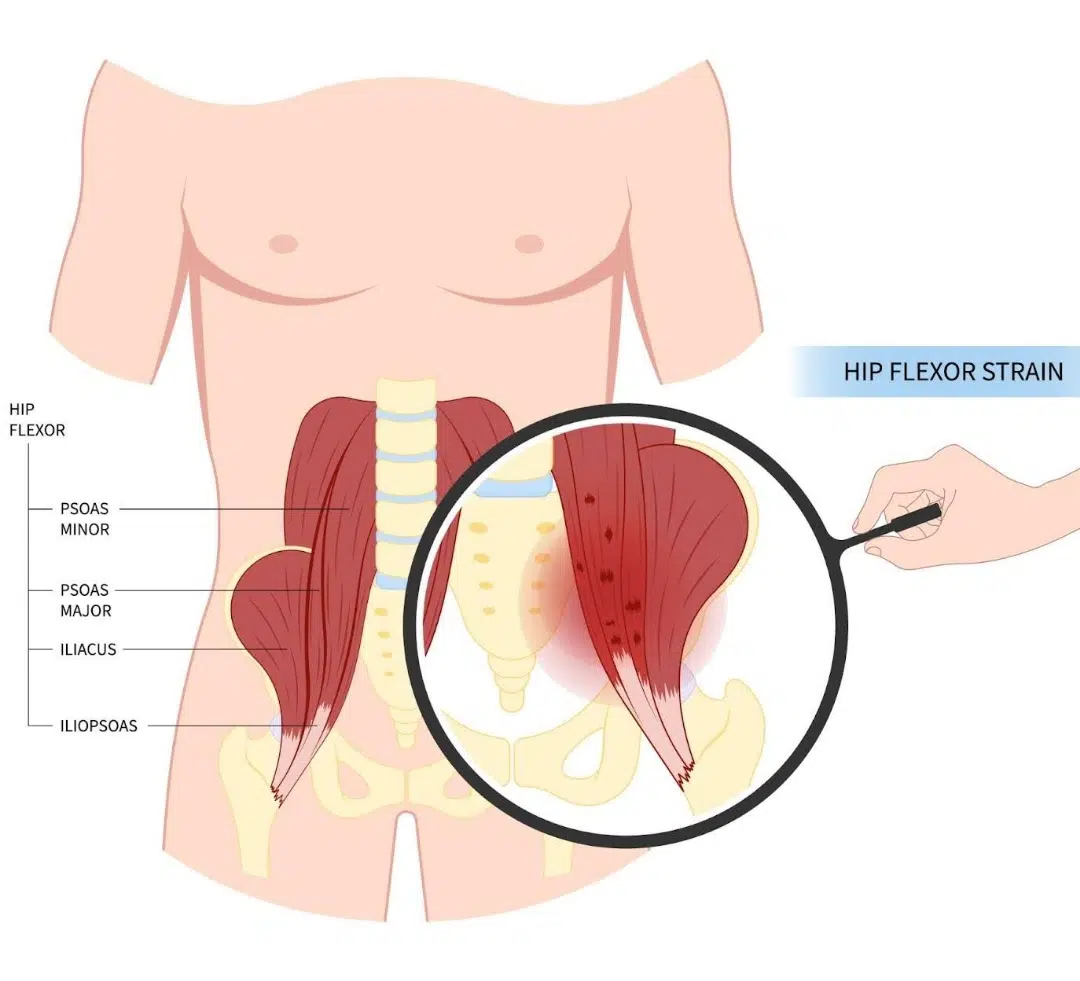
Hip flexors are the muscles that help bend the hip and lift the knee, crucial for movements like walking, running, and kicking.
A hip flexor strain is a common sports injury, especially in activities that involve sprinting, sudden changes in direction, or high-impact kicks. It can cause sharp pain and difficulty with movement, but most cases improve with rest, ice, and basic home care.
A hip flexor strain is an injury where the muscles at the front of the hip are overstretched or torn, often due to sudden movement or overuse.
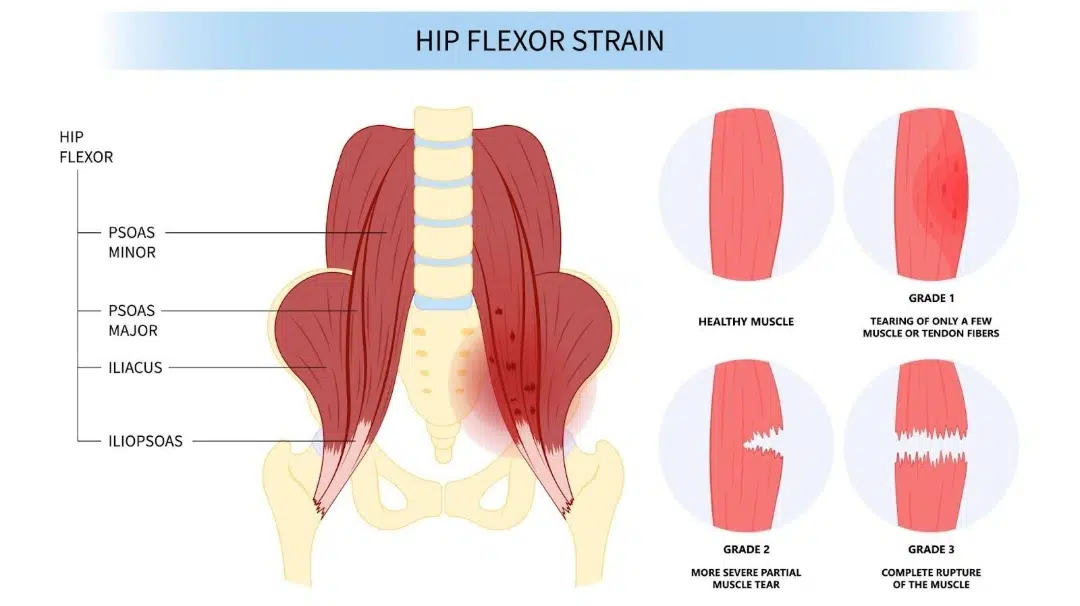
A hip flexor strain refers to the overstretching or tearing of one or more muscles that help lift the thigh and bend the hip, primarily the iliopsoas, rectus femoris, sartorius, and pectineus. These strains are typically caused by sudden, forceful movements and are classified into three grades based on severity:
Grade I (Mild) — small microtears in the muscle with minimal pain and no significant loss of strength or movement.
Grade II (Moderate) — partial tearing of the muscle, resulting in noticeable pain, swelling, and reduced strength or flexibility.
Grade III (Severe) — a complete tear or rupture of the muscle, often causing intense pain, swelling, bruising, and difficulty moving the hip or walking.
This type of injury often occurs during sudden or forceful hip movements, which makes it common among athletes involved in running, kicking, or jumping. Depending on the extent of the strain, symptoms can vary from mild discomfort to significant pain and limited mobility.
What causes a hip flexor strain?
A hip flexor strain typically occurs when the muscles at the front of the hip are forced beyond their normal range of motion or are overused without adequate recovery. Common causes include:
Sudden movements such as sprinting, kicking, or jumping, especially without proper warm-up
Overuse injuries from repetitive activities like running or cycling
Rapid changes in direction during sports like football, hockey, or martial arts
Direct trauma to the hip area, such as a fall or collision
Tight or weak hip flexors, which increase the risk of strain during physical activity
Prolonged sitting, which can shorten the hip flexors and make them more prone to injury during movement
These factors place excessive stress on the hip flexor muscles, leading to small tears or, in more serious cases, complete ruptures.
Hip flexor strains are classified into three grades; mild (Grade 1), moderate (Grade 2), and severe (Grade 3), based on the extent of muscle or tendon damage.
What are the symptoms of a hip flexor strain?
The symptoms of a hip flexor strain can vary depending on the severity of the injury, but commonly include:
Sharp or aching pain in the front of the hip or groin area
Muscle tightness or cramping in the upper thigh or hip
Swelling or bruising around the affected area
Tenderness to touch over the hip flexor muscles
Weakness when trying to lift the knee or bend at the hip
Difficulty walking, climbing stairs, or standing from a seated position
A pulling sensation or a popping sound at the time of injury (in more severe cases)
These symptoms may appear suddenly during activity or develop gradually with overuse. If pain persists or worsens, it’s important to seek medical evaluation to rule out more serious injuries.
Hip flexor strain may cause sharp or aching pain in the front of the hip or groin area, especially during movement.
How to differentiate hip flexor strains from other hip injuries?
The symptoms of a hip flexor strain can overlap with several other hip-related conditions, which makes it difficult to identify the exact cause without proper medical evaluation.
If you experience persistent hip pain, limited mobility, or weakness, it’s important to seek medical attention for an accurate diagnosis. Imaging and clinical assessment are often necessary to distinguish a hip flexor strain from other conditions that present with similar symptoms, such as:
Hip tendonitis — inflammation of the tendons around the hip joint
Labral tear — a tear in the ring of cartilage (labrum) that lines the hip socket
Sciatica — pain caused by irritation or compression of the sciatic nerve
Blood clots — clots that restrict blood flow to the femoral head, potentially leading to bone tissue death
Other bone or muscle injuries — fractures or strains in nearby muscles and bones can produce similar pain patterns
Only a qualified healthcare professional can perform the necessary tests, such as physical examination, X-rays, ultrasound, or MRI, to accurately identify the cause and recommend the appropriate treatment.
Who is at risk of a hip flexor strain in Singapore?
Anyone can experience a hip flexor strain, but in Singapore, certain groups are at higher risk due to the nature of their activities or lifestyle habits. These include:
Athletes — especially those involved in sports that require sprinting, kicking, jumping, or sudden changes in direction, such as football, soccer, hockey, martial arts, and track events
Dancers and gymnasts — individuals who frequently perform high kicks or extreme hip movements
People with tight or weak hip flexors — due to poor flexibility or muscle imbalances
Individuals with sedentary lifestyles — those who sit for long hours are at risk of less resilient hip flexor muscles
Older adults — as you age, your muscles may lose strength and elasticity, making you more prone to strain
Lack of proper warm-up — inadequate warm up, especially before an intense workout, or returning to activity too quickly after a previous injury can also increase the risk
How is a hip flexor strain diagnosed?
Injuries to the hip flexor muscles may not be easy to identify. Hence, it is important to visit an orthopaedic clinic to get a proper diagnosis. A diagnosis of hip flexor strains can be done by the following tests:
Physical test — during the physical examination, the doctor will assess your hip and leg by observing movement, testing muscle strength, and checking flexibility. They may gently move or rotate your leg to evaluate how the muscles respond and identify any limitations. Palpation, where the doctor presses on specific areas, is also used to locate tenderness and assess the condition of the affected muscles.
Magnetic resonance imaging (MRI) — MRI scans provide detailed images that allow doctors to visualise soft tissue injuries, such as muscle tears or tendon damage.
Ultrasound — An ultrasound scan is often useful for detecting fluid build-up or oedema—swelling that occurs as a result of inflammation in the injured area.
X-ray radiography — X-ray radiographs are helpful in identifying bone fractures and are often used to rule out hip fractures as the cause of pain. Unlike muscle strains, hip fractures require more urgent and intensive medical treatment.
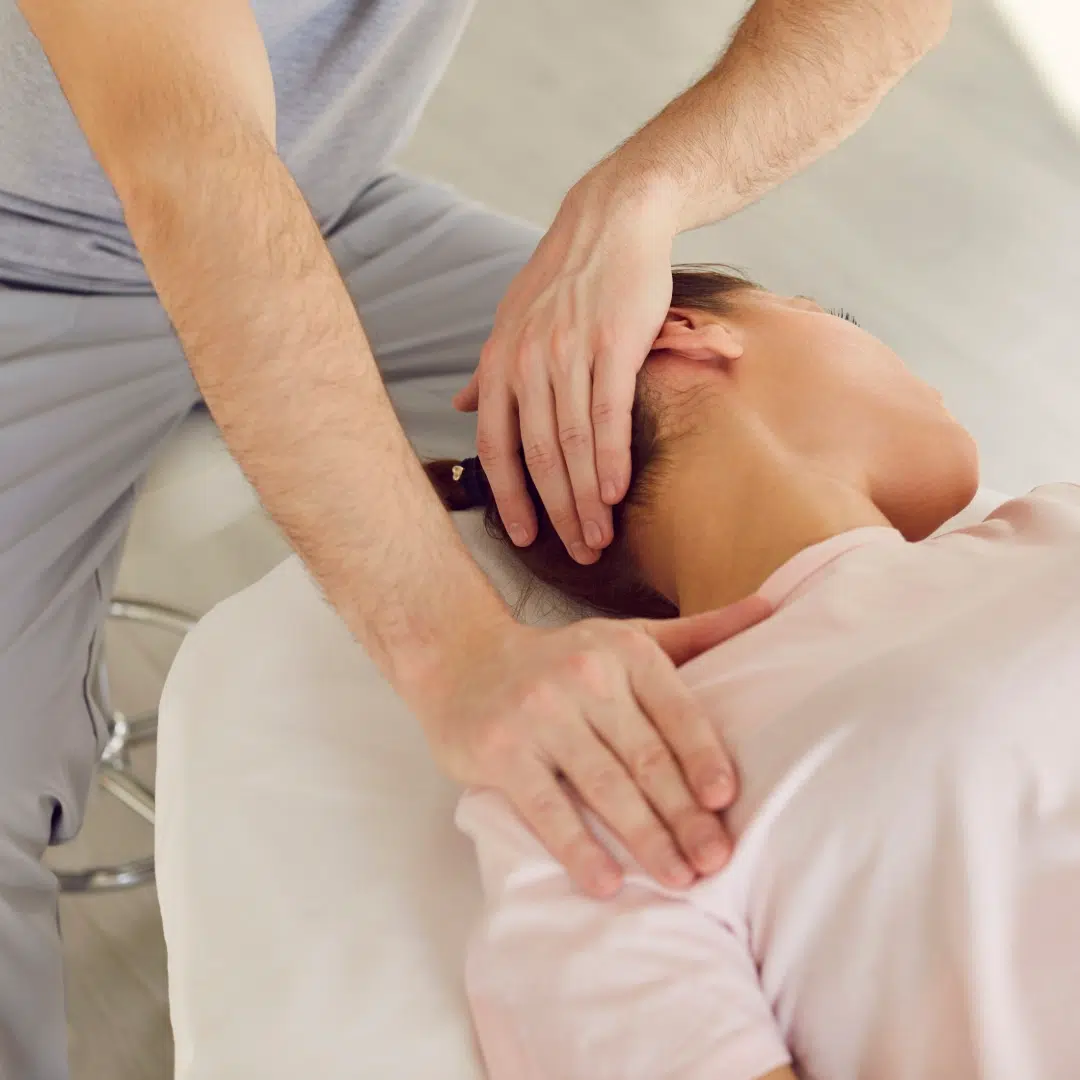
During the physical examination, the doctor will assess your hip and leg by observing movement.Physiotherapy is often recommended for moderate to severe strains, especially during the recovery phase.
What are the treatment options for a hip flexor strain?
Most hip flexor strains are treated conservatively and do not require surgery. Standard treatment approaches for muscle injuries also apply to hip flexor strains and are focused on relieving symptoms, supporting recovery, and restoring function.
RICE method
Rest — avoid activities that stress the injured muscle to prevent further damage.
Ice — apply an ice pack to the affected area for 10–15 minutes every hour on the first day to reduce inflammation and pain.
Compression — use a compression bandage to help reduce swelling and limit internal bleeding.
Elevation — raise the injured leg above heart level using pillows or cushions to help reduce swelling by limiting blood flow to the area.
Pain relief
Your doctor may prescribe or recommend medications to reduce pain and inflammation. These may include:
Always follow your doctor’s instructions when taking medication. Avoid exceeding the recommended dose or duration, as prolonged use, especially of NSAIDs, can lead to side effects like gastritis or stomach ulcers.
Surgery
Surgical intervention is rarely needed. It may be considered only in cases of a Grade III tear (complete muscle rupture) or if other structures like tendons or ligaments are involved.
Physical therapy
Physiotherapy is often recommended for moderate to severe strains, especially during the recovery phase. The goals are to restore range of motion, rebuild strength, and prevent reinjury. Common physical therapy techniques include:
Active exercises — patient-led movements designed to restore strength, coordination, and flexibility. These may include resistance band training, controlled hip flexion, core strengthening, and balance exercises.
With proper treatment, most hip flexor strains heal well over time, especially when supported by rest, targeted rehabilitation, and professional guidance tailored to the severity of the injury.
Summary
A hip flexor strain is an injury caused by overstretching or tearing of the muscles at the front of the hip, commonly affecting individuals who engage in activities that involve running, kicking, or sudden changes in direction. It typically presents with symptoms such as sharp pain in the front of the hip or groin, muscle tightness, swelling, and difficulty lifting the leg or walking.
Diagnosis involves a physical examination and, in some cases, imaging such as ultrasound, MRI, or X-ray to confirm the extent of the injury and rule out other conditions like hip fractures or labral tears. Most hip flexor strains are treated conservatively with rest, ice, pain relief medication, and physical therapy, while surgery is rarely needed.
If you are dealing with hip pain or difficulty moving, schedule a consultation with our doctors at Cove Orthopaedics for detailed evaluation and a personalised recovery plan.
Conditions We Treat
Hip
Head
Hand & Wrist
Foot & Ankle
Elbow
Frequently asked questions
The severity can range from mild tightness to a complete muscle or tendon tear. While most cases recover with rest and rehab, severe strains may take longer and occasionally require surgery.
A Grade 3 strain means the muscle or tendon is fully torn, often causing sharp pain, swelling, and significant weakness. It’s the most severe type and may need surgical repair.
Grade 1 strains involve minor discomfort and tightness with no major loss of strength. Grade 2 strains usually cause moderate pain, swelling, and difficulty lifting the leg or bending the hip.
Yes, most mild to moderate hip flexor strains heal with rest, ice, and gradual return to activity. However, ongoing pain or weakness may require physiotherapy or medical assessment.
If you experience intense pain, swelling, bruising, or difficulty walking, it’s best to consult a doctor to rule out a severe tear or other hip injuries.
It’s not recommended. Exercising too soon can worsen the injury. Wait until pain subsides and follow a guided rehabilitation program before returning to sports.
Recovery typically takes 1 to 3 weeks for mild strains, 4 to 6 weeks for moderate strains, and longer for severe tears. Recovery time also depends on age, fitness level, and adherence to rehab.
Most people recover fully, but untreated or recurrent strains can lead to chronic tightness, weakness, or compensatory movement patterns that may affect performance and posture.
Yes, regular stretching, strengthening exercises, proper warm-ups, and avoiding overtraining can all reduce the risk of hip flexor strain.
A hip flexor strain affects muscles that lift the thigh, while a groin pull involves muscles on the inner thigh. The location of pain and affected movements help distinguish between the two.
At Cove Orthopaedic Clinic, our utmost importance is in helping our patients maintain or regain the mobility that they deserve, all through excellent patient care right from the start.
Happy and satisfied patients are what keeps us going!
If you have further enquiries or would like to make an appointment at Cove Orthopaedic Clinic, simply fill in the form below or call us at +65 9631 7637.