Foot and ankle fractures refer to breaks or cracks in the bones of the foot or ankle, which can occur due to various types of trauma or stress.
These fractures can range from minor stress fractures, which are tiny cracks in the bone, to severe breaks that may involve multiple bones and require surgical intervention.
The foot contains 26 bones, and fractures can occur in any of them. Common fractures of the foot include:
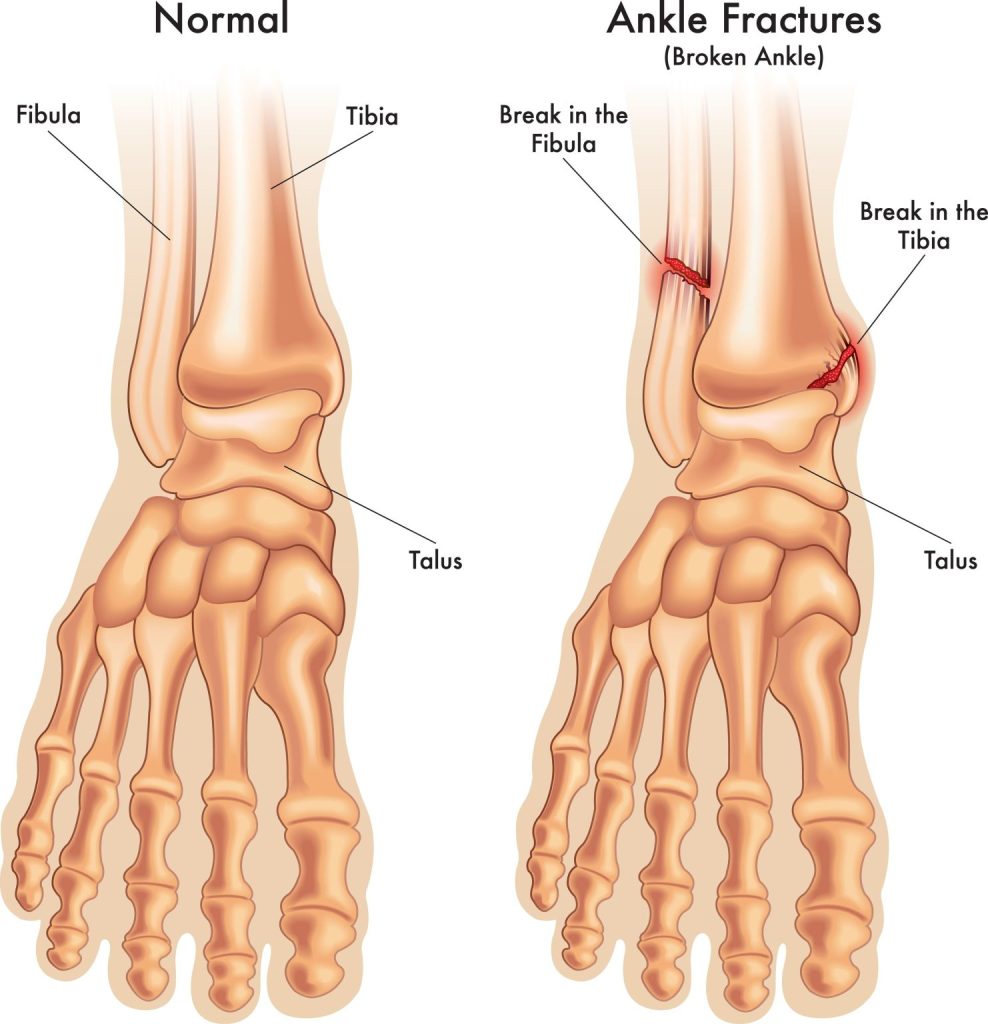
The ankle is made up of three primary bones—the tibia, fibula, and talus. Ankle fractures often occur due to twisting injuries, falls, or direct impact. Common ankle fractures include:
Fracture type
Description
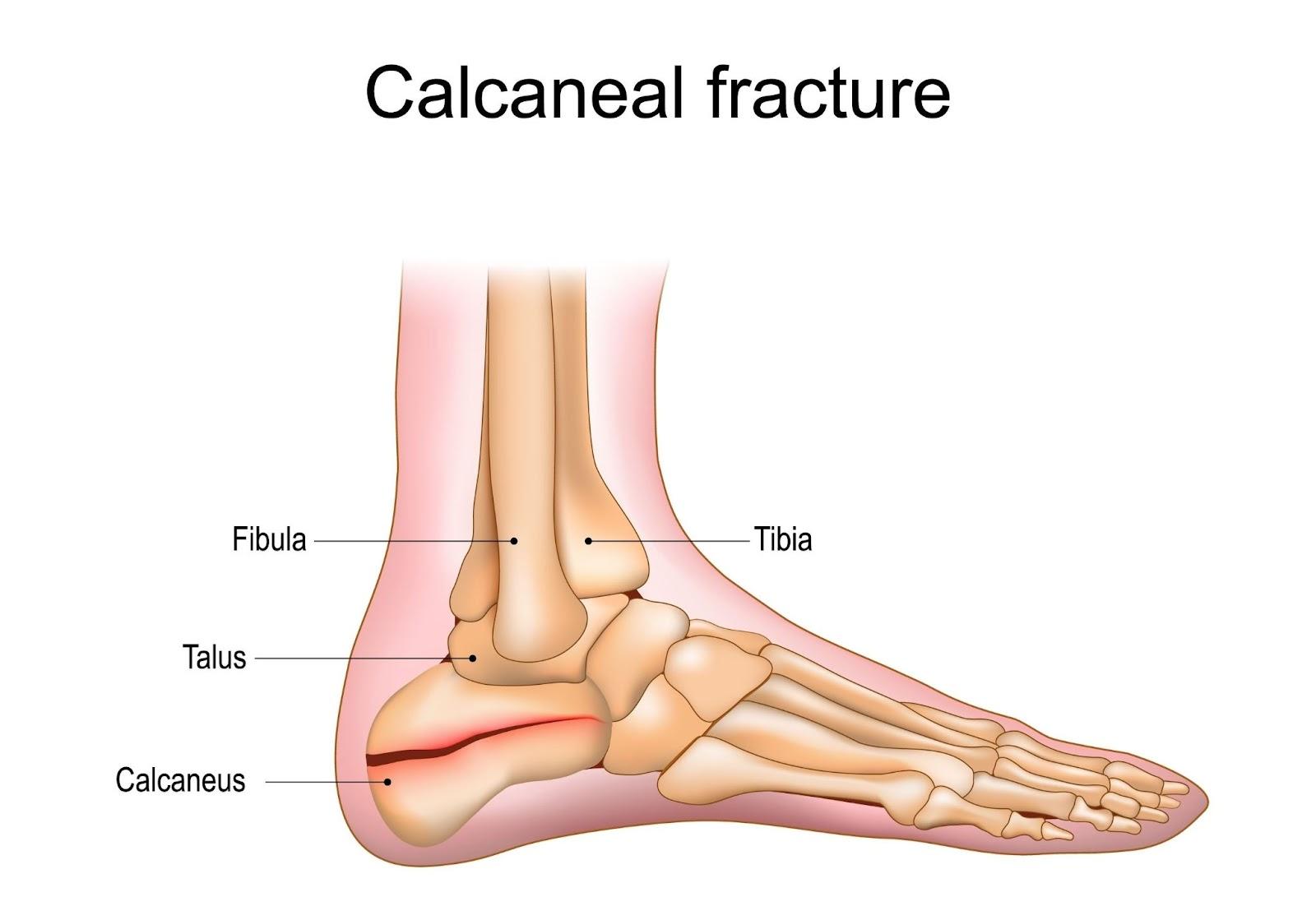
Heelbone fractures
Also known as Calceneus fractures that often result from a fall from a height. These fractures can be very painful and may be accompanied by other injuries, such as vertebral fractures.
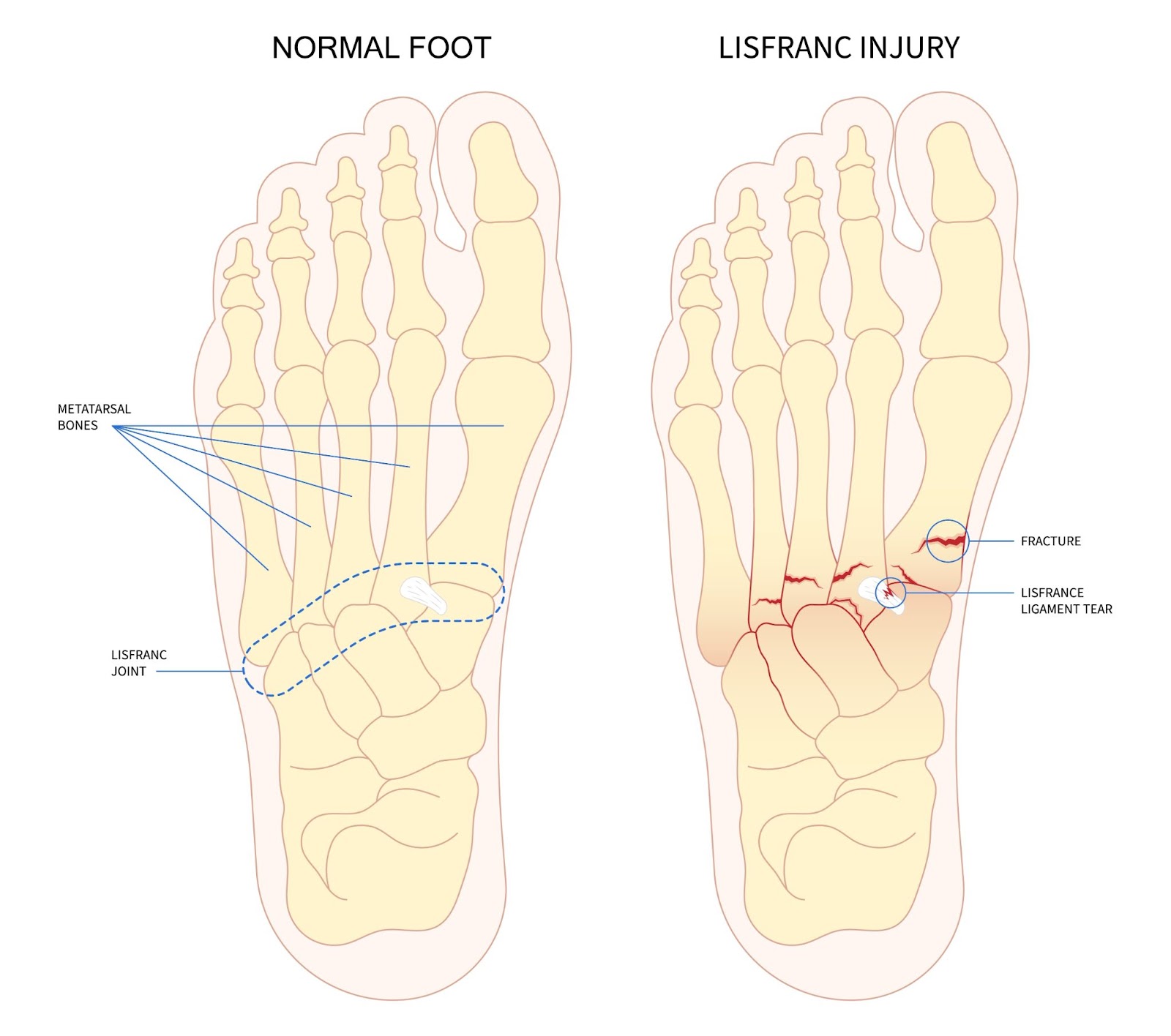
Midfoot fractures
Such as Lisfranc and Chopart injuries that can be characterised as fractures that are sometimes accompanied by dislocation in the midfoot region. This form of fracture often occur due to high-impact trauma.
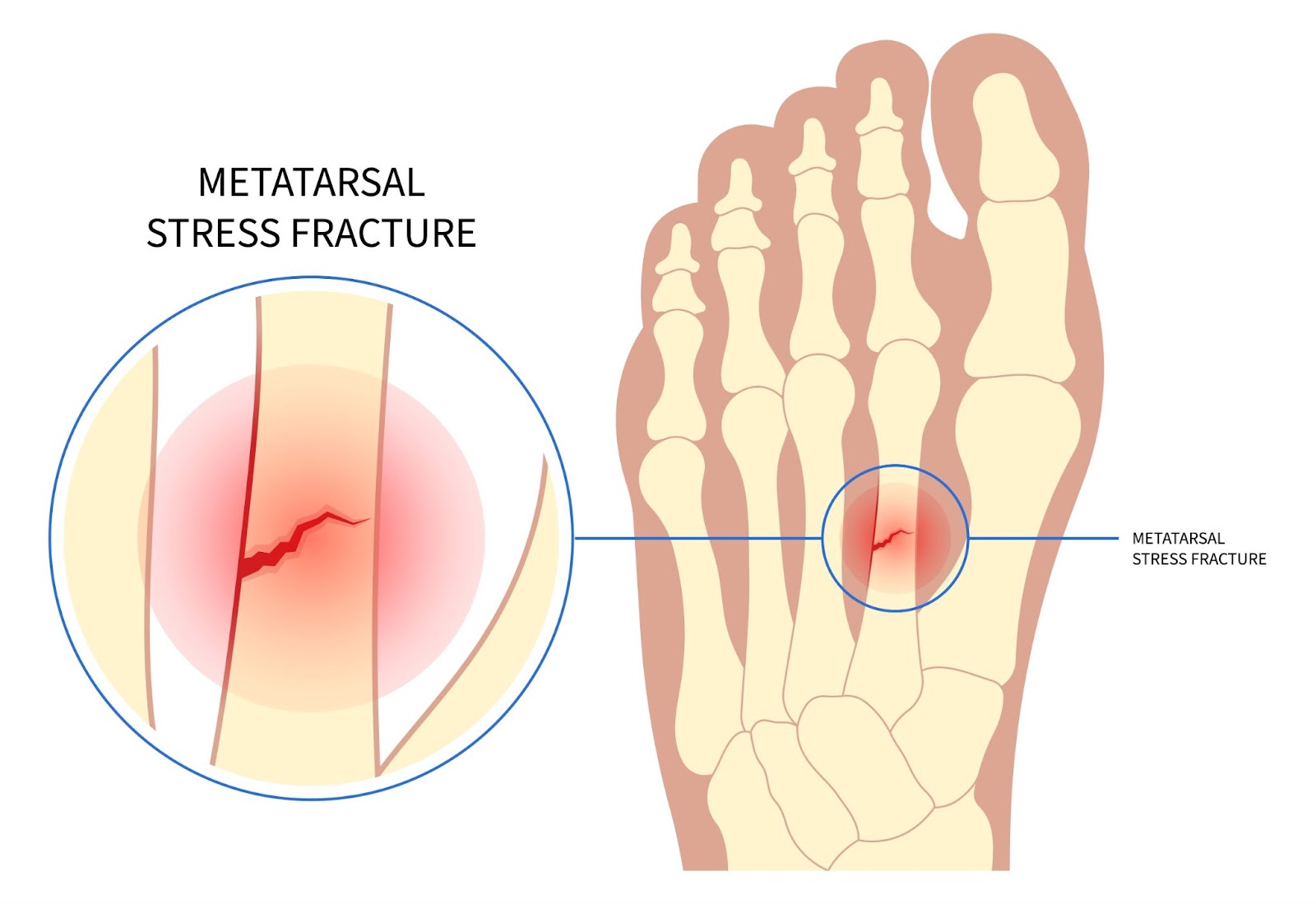
Metatarsal fractures
A commonly occurring fracture, these fractures involve the forefoot and are mostly caused by a heavy object falling onto the foot. Stress fractures of the metatarsals, also known as “march fractures,” can occur due to repetitive trauma from prolonged walking or running.
What causes foot & ankle fractures?
Foot and ankle fractures occur when an external force exceeds the strength of the bones in these areas, leading to a break. This can happen through various mechanisms, such as direct trauma or indirect forces. Direct trauma, such as a heavy object falling on the foot, a sudden twist, or an impact during a car accident, can cause the bones to fracture instantly.
Indirect forces, on the other hand, often result from a sudden change in direction or awkward landing, which can put excessive stress on the bones and joints, leading to a break. For instance, during a sports activity, an abrupt pivot or a misstep can twist the foot or ankle beyond its normal range of motion, causing the bones to crack under pressure.
Additionally, repetitive stress from overuse, particularly in activities that involve running or jumping, can lead to stress fractures—small, hairline cracks in the bones that develop over time due to continuous strain. The severity and type of fracture depend on the amount of force applied and the specific position of the foot or ankle at the time of injury.
Foot and ankle fractures are commonly caused by trauma such as falls, sports injuries, car accidents, or repetitive stress from overuse.
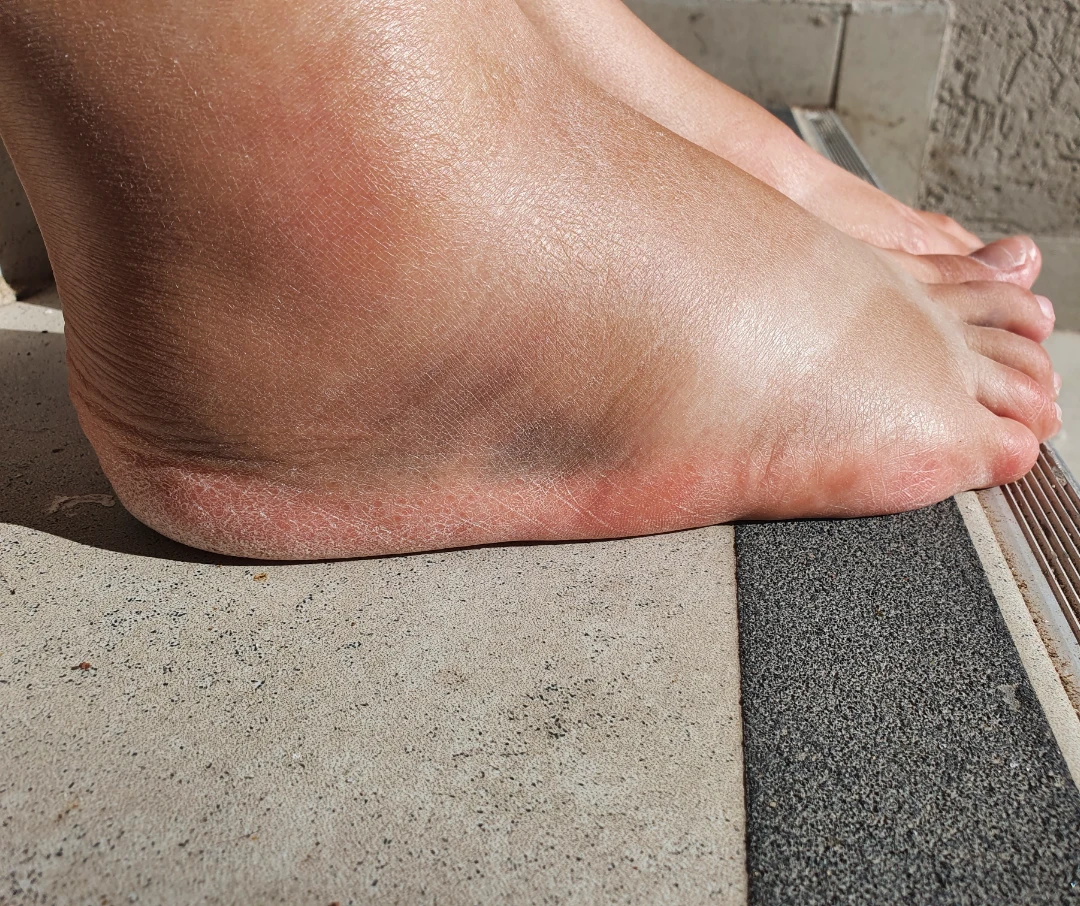
Swelling is a common symptom of foot and ankle fractures accompanied by pain and tenderness.
What are the symptoms of foot & ankle fractures?
The symptoms of foot and ankle fractures can vary based on the specific bone involved and the severity of the fracture: Some of the common symptoms of fracture in these areas include:
Sharp, intense pain at the site of the fracture is common, which often worsens with movement or pressure.
Areas around the area around the fracture typically become swollen, which may extend to the entire foot or ankle.
Bruising develops rapidly after the injury, sometimes spreading to the surrounding areas.
In severe fractures, the foot or ankle may appear deformed or out of alignment.
Bearing weight on the affected foot or ankle may be challenging or impossible.
Tenderness in the affected area may be sensitive to touch, particularly over the fracture site.
Who is at risk of foot & ankle fractures in Singapore?
In Singapore, several groups of people are at higher risk of foot and ankle fractures due to various lifestyle factors, health conditions, and demographic trends.
Athletes and active individuals
With the increasing popularity of sports and fitness activities, athletes and those leading active lifestyles are at a heightened risk of foot and ankle fractures. High-impact sports such as running, basketball, soccer, and martial arts can put significant stress on the bones and joints, leading to fractures from acute injuries or repetitive stress.
Older adults
As the population in Singapore ages, older adults are particularly vulnerable to foot and ankle fractures. This is often due to a combination of age-related bone density loss known as osteoporosis, decreased balance, and the increased likelihood of falls. Even a minor fall can result in a serious fracture in this age group, which makes prevention and early intervention crucial.
Individuals with osteoporosis
Osteoporosis is a common condition in Singapore, especially among postmenopausal women, that weakens bones and makes them more susceptible to fractures. Those with osteoporosis are at a higher risk of sustaining fractures from even low-impact activities or minor trauma.
People with certain occupations
Individuals working in occupations that require prolonged standing, walking on uneven surfaces, or carrying heavy loads are also at risk. Jobs in construction, manufacturing, and retail, where physical activity is a daily requirement, increase the chances of foot and ankle injuries.
Patients with chronic conditions
Certain chronic health conditions, such as diabetes, can lead to complications like neuropathy, which reduces sensation in the feet and increases the risk of injury. Diabetic patients may not immediately feel the pain of a minor fracture, leading to delays in treatment and potentially more severe complications.
Children and adolescents
While less common, children and adolescents in Singapore are also at risk, particularly those involved in sports or high-energy activities. Their growing bones can sometimes be more susceptible to fractures, especially during growth spurts when the bones may be more fragile.
How are foot & ankle fractures diagnosed in Singapore?
At Cove Orthopaedic Clinic, we take a thorough and personalised approach to diagnosing foot and ankle fractures. When you visit our clinic, our first priority is to understand your symptoms and the circumstances surrounding your injury. We diagnose foot and ankle fractures using a step-by-step approach:
Initial consultation: we begin with a detailed discussion of your symptoms and the circumstances surrounding your injury to gather essential background information.
Physical examination: our specialist will carefully examine the affected area for signs of swelling, bruising, deformity, and tenderness. Your range of motion will also be examined.
X-rays: X-rays are typically the first imaging tool we use to visualise the fracture. They help us determine the exact location and severity of the fracture.
Advanced imaging (if necessary): if the fracture is complex or not clearly visible on an X-ray, we may recommend further imaging studies, such as a CT scan or MRI. These provide a more detailed view of the bones and surrounding tissues.
Diagnosis and treatment planning: based on the findings from the physical exam and imaging studies, we provide a clear diagnosis and work with you to develop a tailored treatment plan that promotes healing and restores mobility.
A thorough medical examination is crucial for accurately diagnosing foot and ankle fractures.
What are the treatment options for foot & ankle fractures?
At Cove Ortho, we offer a range of treatment options for foot and ankle fractures, depending on the severity and location of the fracture, as well as your overall health and lifestyle needs:
Immobilisation: for less severe fractures, we may recommend immobilisation using a cast, brace, or splint. This keeps the bones in place, allowing them to heal naturally over time. You may need to avoid putting weight on the injured foot or ankle, using crutches or a walker to assist with mobility.
Medication: pain relief is an important aspect of fracture treatment. We may prescribe pain medications or recommend over-the-counter pain relievers to manage discomfort during the healing process. In some cases, anti-inflammatory medications may be used to reduce swelling.
Physical therapy: once the bone begins to heal, physical therapy is often necessary to restore strength, flexibility, and range of motion. Our specialist at Cove Ortho will guide you through a personalised rehabilitation program to help you regain full function and prevent future injuries.
Surgical intervention: in cases where the fracture is severe or involves multiple bones, surgery may be required to properly align and stabilise the bones. This might involve the use of metal plates, screws, or rods to hold the bones in place during healing. Our orthopedist specialist will discuss the best surgical options with you and ensure that you understand the procedure and recovery process.
Follow-up care: regular follow-up visits are crucial to monitor your healing progress and make any necessary adjustments to your treatment plan. At Cove Ortho, we ensure continuous support and care throughout your recovery journey.
If you suspect a foot or ankle fracture, please schedule a consultation with Cove Ortho for expert diagnosis and personalised treatment.
Frequently asked questions
It is possible to walk on a fractured foot or ankle, but it is not recommended as this can worsen the injury and prolong recovery. Walking on a fracture may increase pain and potentially cause further damage.
If left untreated, fractures can lead to improper healing, resulting in chronic pain, deformities, and an increased risk of developing arthritis. In some cases, untreated fractures can also lead to more serious complications, such as infections.
Recovery time can vary depending on the severity of the fracture and the treatment method used. Generally, it can take several weeks to a few months for the bone to heal properly. Full recovery, including regaining strength and mobility, may take longer with rehabilitation.
You should seek immediate medical attention if you experience severe pain, swelling, or an inability to bear weight on the injured foot or ankle. Additionally, if there are signs of infection (such as warmth, redness, or pus) or if you suspect an open or compound fracture, emergency care is necessary.
Yes, physical therapy is often recommended after the initial healing phase to help restore strength, flexibility, and range of motion. A personalised rehabilitation program can help ensure a full recovery and prevent future injuries.
At Cove Orthopaedic Clinic, our utmost importance is in helping our patients maintain or regain the mobility that they deserve, all through excellent patient care right from the start.
Happy and satisfied patients are what keeps us going!
If you have further enquiries or would like to make an appointment at Cove Orthopaedic Clinic, simply fill in the form below or call us at +65 9631 7637.