Intermetatarsal bursitis refers to the inflammation of the bursae located between the metatarsal bones in the forefoot.
These small, fluid-filled sacs play a crucial role in cushioning and reducing friction between the bones, tendons, and ligaments of the foot. When these bursae become irritated or inflamed, they can cause significant pain and discomfort, often impacting daily activities like walking, standing, or exercising.
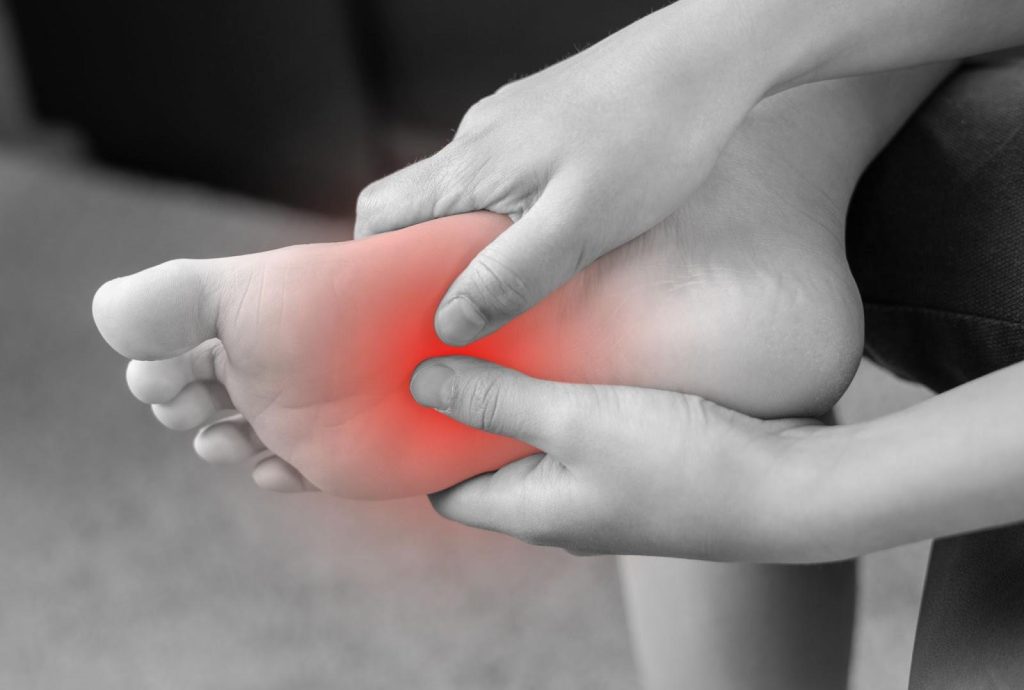
Intermetatarsal bursitis may cause persistent pain in the ball of the foot, especially during weight-bearing activities.
The condition typically affects the ball of the foot, an area subjected to significant pressure during weight-bearing activities. Intermetatarsal bursitis is distinct from other forefoot conditions, such as Morton’s neuroma, though the two are sometimes mistaken due to overlapping symptoms. While bursitis is caused by inflammation of the bursae, Morton’s neuroma involves thickening of nerve tissue.
This condition can develop gradually due to repetitive stress on the foot or as a result of acute injury. Other contributing factors include improper footwear, underlying foot deformities, or systemic inflammatory conditions like rheumatoid arthritis.
Intermetatarsal bursitis is the inflammation of fluid-filled sacs between the metatarsal bones, causing pain and discomfort in the ball of the foot.
What causes Intermetatarsal Bursitis?
Intermetatarsal bursitis arises from the irritation or excessive compression of the bursae located between the metatarsal bones in the forefoot. The bursae act as protective cushions, reducing friction and absorbing pressure during movement. However, when subjected to repeated stress or abnormal mechanical forces, these structures can become inflamed. The inflammation occurs as a result of increased fluid production within the bursa, leading to swelling and a reduction in the ability of the bursa to perform its cushioning function effectively.
The primary mechanism behind this condition involves the breakdown of the delicate lining of the bursa due to sustained friction or direct pressure. This irritation triggers the body’s inflammatory response, releasing chemicals like prostaglandins and cytokines, which further contribute to swelling, pain, and restricted movement. Inflammation within the bursa increases sensitivity in surrounding nerve endings, making weight-bearing activities particularly painful.
In cases where mechanical overload persists, such as from abnormal foot biomechanics or repeated microtrauma, the inflammation can become chronic, resulting in fibrosis or thickening of the bursal walls. This chronic state not only exacerbates pain but also limits the bursa’s mobility and its ability to glide smoothly between the metatarsal bones, compounding the discomfort experienced during activities like walking or running.
What are the symptoms of Intermetatarsal Bursitis?
Intermetatarsal bursitis primarily affects the ball of the foot, causing discomfort that can interfere with daily activities. Recognising the symptoms early is essential for effective treatment. Common symptoms include:
Pain in the ball of the foot — a dull ache or sharp pain that worsens with weight-bearing activities like walking or standing.
Swelling — visible puffiness or localised swelling in the affected area.
Tenderness — sensitivity when pressing on the ball of the foot or the spaces between the metatarsal bones.
Redness and warmth — in some cases, the skin over the inflamed bursa may appear red and feel warm to the touch.
Difficulty wearing shoes — increased pressure from tight or narrow footwear can intensify pain and discomfort.
Altered gait — to minimise pain, individuals may unconsciously adjust their walking pattern, leading to further strain on the foot.
If these symptoms persist or worsen, it is crucial to consult a healthcare professional for an accurate diagnosis and appropriate treatment plan.
Who is at risk of Intermetatarsal Bursitis in Singapore?
Intermetatarsal bursitis can affect anyone, but certain groups are more prone to developing this condition due to lifestyle factors, occupational demands, or anatomical predispositions. In Singapore, individuals at higher risk include:
Active individuals — those engaging in high-impact sports or activities like running, jumping, or dancing, which place repetitive stress on the forefoot.
Office workers in formal footwear — individuals who wear tight, narrow, or high-heeled shoes daily, leading to prolonged pressure on the metatarsal region.
Older adults — age-related changes, such as reduced foot padding and joint wear-and-tear, increase susceptibility.
Individuals with foot deformities — conditions like bunions, hammertoes, or flat feet that alter foot mechanics and pressure distribution.
Patients with inflammatory conditions — those with rheumatoid arthritis, gout, or other systemic inflammatory diseases that can trigger bursitis.
Obese individuals — increased body weight exerts additional pressure on the feet, particularly the forefoot.
Individuals with these risk factors should take preventative measures, such as choosing appropriate footwear or seek early intervention when symptoms arise.
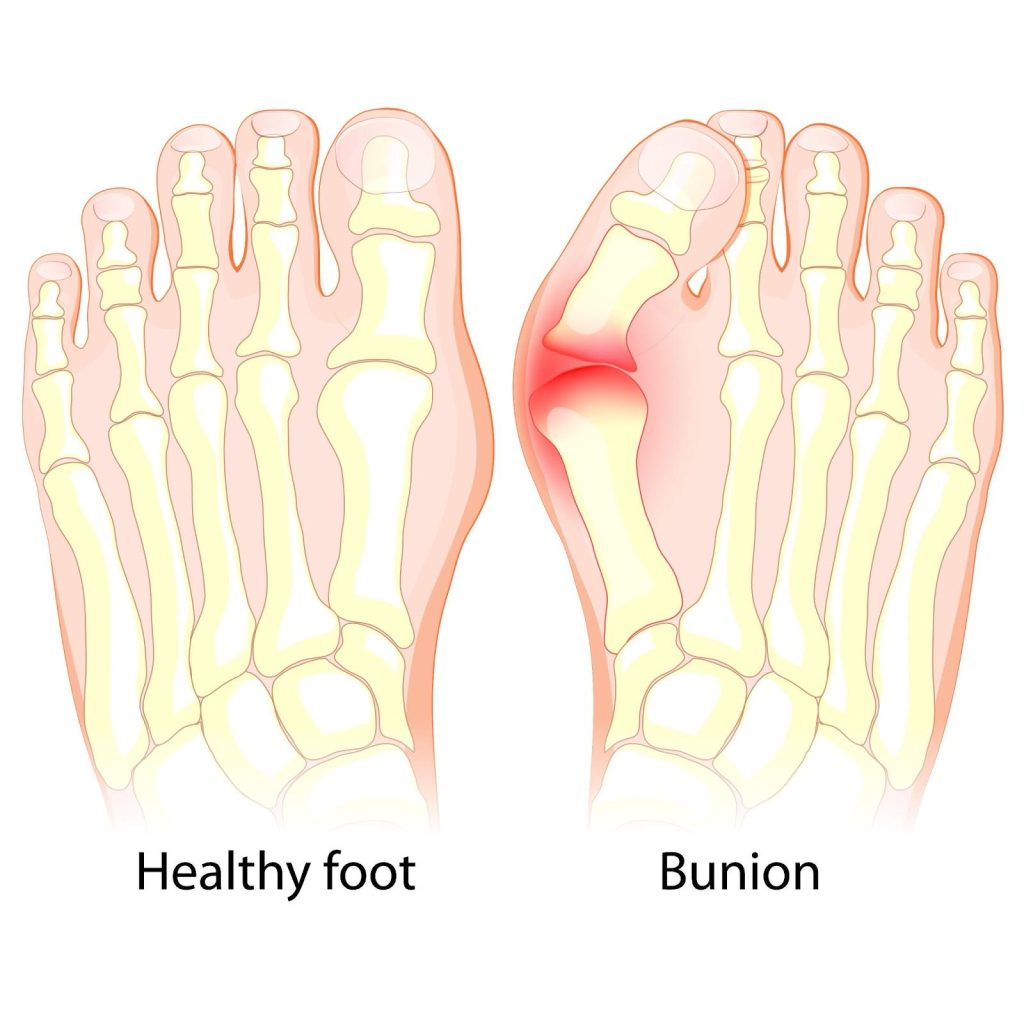
Conditions like bunions can increase the risk of intermetatarsal bursitis by altering foot mechanics and pressure distribution.
How is Intermetatarsal Bursitis diagnosed?
At Cove Orthopaedics, we understand how persistent foot pain can disrupt your daily life. That’s why we take a comprehensive and personalised approach to diagnosing intermetatarsal bursitis. Our team uses the following methods to ensure an accurate diagnosis:
Detailed medical history — we begin by discussing your symptoms, lifestyle, and any previous injuries to identify potential causes and contributing factors.
Physical examination — our specialists carefully assess the affected area for tenderness, swelling, and signs of inflammation, pinpointing the source of your discomfort.
Gait analysis — we evaluate how you walk to detect abnormalities in foot biomechanics that might contribute to the condition.
Imaging studies —diagnostic imagining tools such as ultrasound or MRI help us visualise the bursae and surrounding tissues, ruling out conditions like Morton’s neuroma or stress fractures.
Diagnostic injections — in some cases, a small injection of local anesthetic into the suspected bursa can confirm the diagnosis by temporarily relieving your pain.
What are the treatment options for Intermetatarsal Bursitis in Singapore?
At Cove Orthopaedics, we prioritise your comfort and recovery by offering tailored treatment solutions for intermetatarsal bursitis. Our comprehensive approach addresses both symptom relief and the underlying causes to help you regain mobility and ease. Treatment options include:
Rest and activity modification — we recommend temporarily reducing weight-bearing activities to allow the bursae to heal and inflammation to subside.
Custom footwear and orthotics — at Cove, we guide you in selecting supportive footwear or provide custom orthotics to redistribute pressure across the foot.
Physical therapy — our skilled physiotherapists work with you on stretching and strengthening exercises to improve foot function and reduce strain on the metatarsal area.
Medication — in some cases, we may prescribe nonsteroidal anti-inflammatory drugs (NSAIDs) to manage pain and reduce inflammation.
Corticosteroid injections — for severe or persistent cases, we offer targeted corticosteroid injections to rapidly alleviate pain and swelling.
Minimally invasive procedures — in rare cases where conservative treatments are insufficient, our team may recommend minimally invasive surgery to remove the inflamed bursa or address any contributing structural issues.
At Cove Orthopaedics, we are committed to helping you find lasting relief and get back to doing what you love with confidence. If you are experiencing persistent pain or discomfort in your forefoot, schedule a consultation with Cove Orthopaedics today for expert evaluation and personalised treatment solutions.
Frequently asked questions
Mild cases may improve with rest and activity modification. However, persistent symptoms require medical evaluation to prevent complications.
Surgery is rarely needed and is considered only when conservative treatments fail to relieve symptoms.
Wearing properly fitting shoes, avoiding repetitive stress on the feet, and addressing foot deformities can help prevent this condition.
Recovery time varies but typically ranges from a few weeks to several months, depending on the severity and adherence to treatment.
If you experience persistent foot pain, swelling, or discomfort that doesn’t improve with rest and self-care measures, consult a healthcare professional (link to ‘Contact Us’ page).
At Cove Orthopaedic Clinic, our utmost importance is in helping our patients maintain or regain the mobility that they deserve, all through excellent patient care right from the start.
Happy and satisfied patients are what keeps us going!
If you have further enquiries or would like to make an appointment at Cove Orthopaedic Clinic, simply fill in the form below or call us at +65 9631 7637.