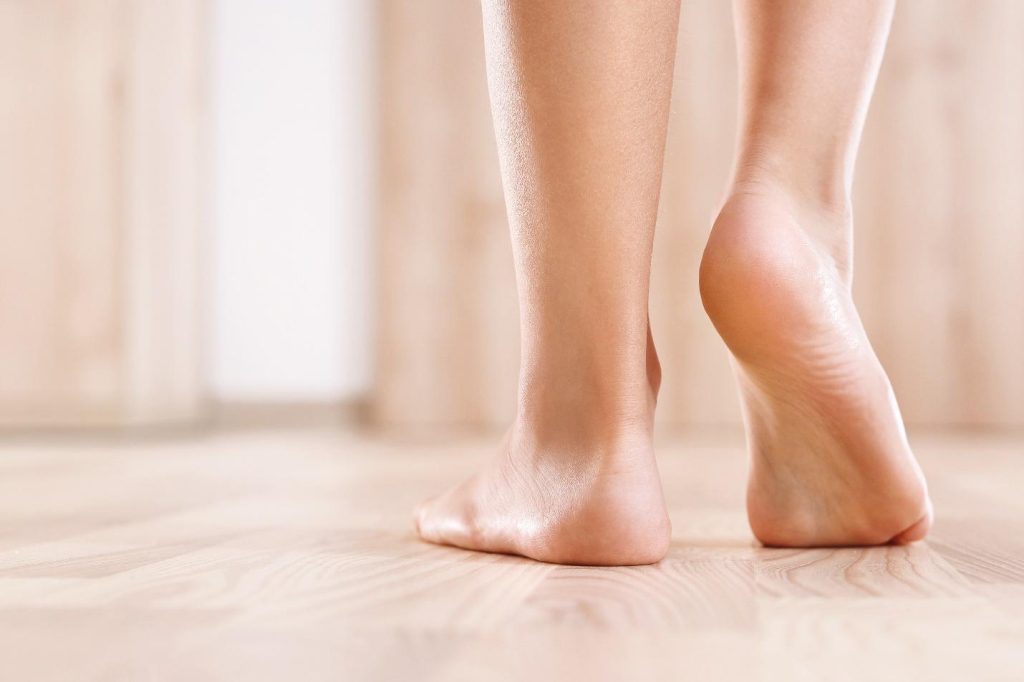
The tibialis posterior is a key muscle located in the lower leg. As such, it plays a crucial role in stabilising the arch of the foot, and enabling smooth walking, and running.
It runs along the inside of the lower leg, behind the ankle, and attaches to the bones in the midfoot.
Tibialis Posterior Tendinopathy refers to the degeneration or dysfunction of the tendon of the tibialis posterior muscle. This results in pain, swelling, and difficulty with movement. Over time, this condition can lead to flat foot deformity, and impair daily activities like walking or standing.
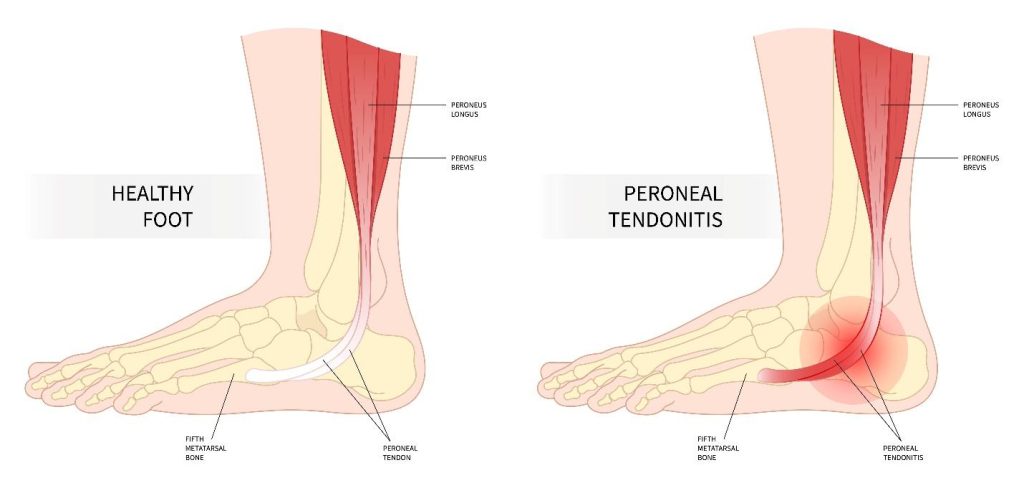
Tibialis posterior tendinopathy affects the tendon responsible for stabilising the foot arch.
What causes Tibialis Posterior Tendinopathy?
The tibialis posterior tendon plays a crucial role in supporting the arch of the foot, and maintaining proper alignment during movement. However, repetitive stress, and overuse can lead to micro-tears, inflammation or degeneration in the tendon.
This condition often develops gradually, and may be worsened by factors such as flat feet, poor footwear, sudden increases in physical activity, high-impact sports, improper walking mechanics or a history of ankle injuries. Together, these factors place excessive strain on the tendon, weakening its function, and causing discomfort that can limit mobility if left untreated.
What are the common symptoms?
The symptoms of tibialis posterior tendinopathy vary depending on its severity. However, some of the common signs include:
A visible flattening of the foot arch.
Difficulties standing on tiptoes or walking long distances.
Pain or tenderness along the inside of the ankle or foot.
Rolling of the ankle inward during walking (pronation).
Stiffness or weakness in the affected foot or ankle.
Swelling around the tendon area.
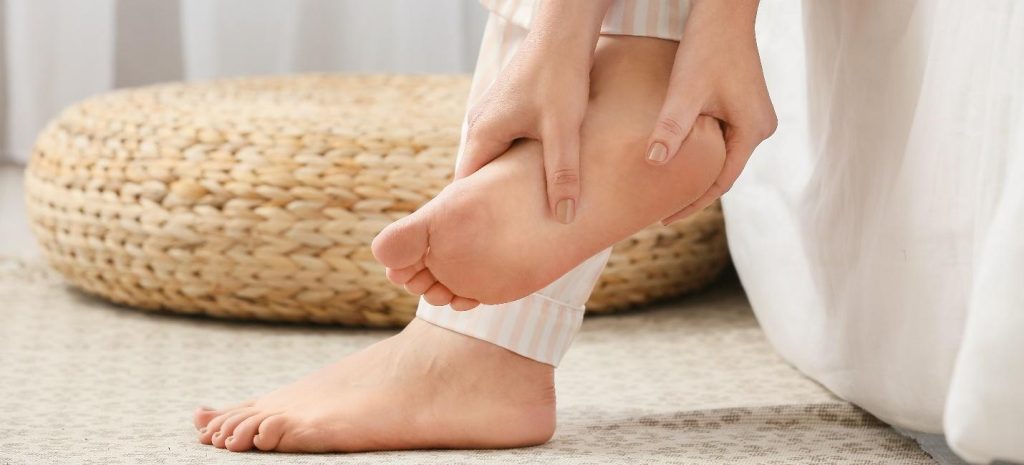
Symptoms of tibialis posterior tendinopathy include pain, swelling, and noticeable changes in the foot arch.
Who is at risk of developing Tibialis Posterior Tendinopathy in Singapore?
Although tibialis posterior tendinopathy is a relatively uncommon condition, affecting 3.3%, and 10% people, there are certain factors that can increase the likelihood of its occurrence. These factors include:
Age – tibialis posterior tendinopathy is more common among those between 40, and 50 years old because tendons lose their natural elasticity, and strength with age, making them more susceptible to degeneration, and injury.
Gender – although tibialis posterior tendinopathy can affect both men, and women, it is more common among women due to hormonal influences, and a potential predisposition to connective tissue changes.
Flat feet –people with flat feet are more prone to developing tibialis posterior tendinopathy because fallen arches place additional stress on the tendon as it works harder to support the foot’s structure.
Repetitive strain – the likelihood of developing tibialis posterior tendinopathy increases if an individual frequently participates in high-impact activities, such as running or jumping, as it can overload the tibialis posterior tendon, leading to microtrauma, and degeneration.
Poor footwear – improper footwear, which lacks proper arch support or cushioning, can exacerbate strain on the tibialis posterior tendon, particularly during prolonged activity.
Obesity – an obese individual is more like to develop tibialis posterior tendinopathy as the excess body weight increases the pressure on the foot, and tibialis posterior tendon, raising the risk of inflammation.
How is Tibialis Posterior Tendinopathy diagnosed in Singapore?
Diagnosing tibialis posterior tendinopathy involves a comprehensive evaluation process to pinpoint the condition, and its severity. At Cove Orthopaedic, our Orthopaedic specialist begins with a thorough physical examination.
During a physical examination, our specialist will conduct the following assessments to evaluate your symptoms, and identify the affected areas:
Assessing for tenderness or swelling along the tibialis posterior tendon.
Evaluating your gait to identify any abnormalities in walking mechanics.
Measuring the range of motion and pain levels in the ankle and foot.
Observing foot posture to detect flat feet or misalignment.
Testing the strength and function of the tibialis posterior tendon through specific movements.
On top of a physical examination, our specialist may recommend undergoing the following diagnostic procedure to aid in the diagnosis:
Ultrasound – an ultrasound is a non-invasive imaging technique used to visualise the tibialis posterior tendon, and detect inflammation, tears,or degeneration.
Magnetic Resonance Imaging (MRI) – an MRI provides detailed images of the tendon, muscles, and surrounding structures to assess the extent of the damage.
X-rays – x-rays are often used to rule out bone-related issues, such as fractures or arthritis, that may contribute to foot pain or dysfunction.
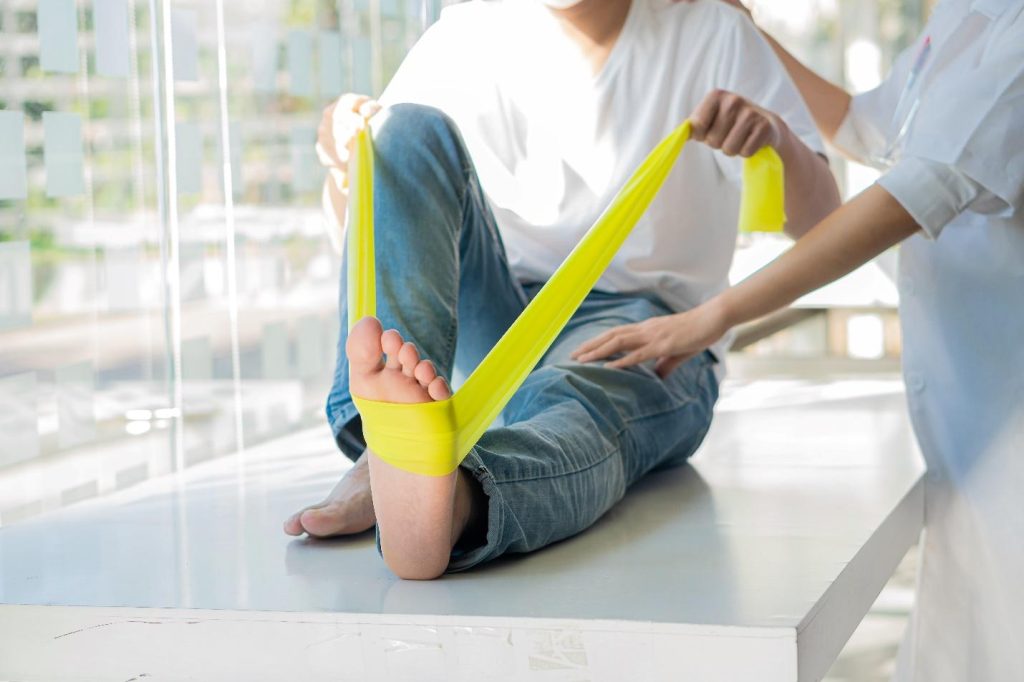
Physical therapy plays a critical role in recovering from tibialis posterior tendinopathy.
How is Tibialis Posterior Tendinopathy treated in Singapore?
Treatment for tibialis posterior tendinopathy varies based on the severity of tibialis posterior tendinopathy, spanning from conservative measures to surgical intervention. Be that as it may, a tailored approach ensures the most effective management of the condition. Treatment for tibialis posterior tendinopathy varies based on the severity of tibialis posterior tendinopathy, spanning from conservative measures to surgical intervention. Be that as it may, a tailored approach ensures the most effective management of the condition.
Conservative Treatments
Rest, and activity modification – avoid activities that exacerbate symptoms, such as high-impact sports or prolonged standing. It should be noted that adequate rest allows the tendon to recover, and prevents further damage.
Bracing – an ankle-foot orthosis (AFQ) can stabilise the foot, limit excessive movement, and reduce stress on the tendon, thus offering immediate relief while allowing healing.
Orthotics – custom-made insoles provide essential support to the foot arch, reducing strains on the tibialis posterior tendon, and alleviating discomfort. These devices are particularly helpful for individuals with flat feet.
Medications – non-steroidal anti-inflammatory drugs (NSAIDs) are prescribed to reduce inflammation, and manage pain effectively, enabling better mobility during recovery.
Injections – corticosteroid injections may be used for temporary relief of inflammation, and pain. However, they are applied sparingly to minimise the risk of tendon weakening or rupture.
Surgical Treatments
Flat foot correction – in cases of advanced flat foot deformity, surgery helps to realign the bones of the foot, and restore the arch. The procedure aims to alleviate the strain on the tendon, and improve overall foot mechanics.
Tendon repair or reconstruction – damaged sections of the tibialis posterior tendon are repaired or replaced using healthy tissue from another part of the body. The procedure helps to restore the tendon’s strength, and functionality.
Fusion surgery – for severe cases where joint instability or arthritis is present, fusion surgery stabilises the affected joints. The procedure reduces pain, and simultaneously improves long-term foot function.
Rehabilitation Process
Physical therapy – a structured physical therapy programme includes exercises to strengthen the tibialis posterior muscle, enhance flexibility, and correct foot posture. Additionally, techniques such as manual therapy, and balance training are incorporated to enhance the outcome.
Mobility exercises – mobility exercises involve focused exercises to improve flexibility, and enhance the range of motion in the foot, and ankle, subsequently helping to prevent stiffness.
Strengthening exercises – gradual strengthening of the muscles around the foot, and ankle restores stability, and support to the affected area.
Progressive weight-bearing – under professional guidance, patients gradually resume weight-bearing activities, ensuring the tendon, and surrounding structures adapt safely to increased loads. This comprehensive treatment, and rehabilitation approach ensures a full recovery while minimising the risk of recurrence.
An early diagnosis can prevent tibialis posterior tendinopathy from worsening, and improve treatment outcome.
As tibialis posterior tendinopathy can have a negative impact on your quality of life, it is important to seek immediate medical attention to prevent the condition from worsening. If you have been experiencing pain in your foot or ankle, or noticed changes to the arch of your foot, or have a high risk of developing the condition, then do schedule a consultation. Tibialis posterior tendinopathy is highly treatable. As such, getting an early diagnosis will improve your treatment outcomes, and preserve your quality of life.
Frequently asked questions
Yes, tibialis posterior tendinopathy can cause discomfort, ranging from mild to severe. Many people experience pain along the inner side of the ankle or foot, especially during physical activity or after long periods of standing. The pain may also be accompanied by swelling or tenderness.
Without treatment, tibialis posterior tendinopathy can worsen over time. The tendon may weaken further, leading to progressive collapse of the foot arch (flatfoot deformity). This can cause chronic pain, difficulty walking, and even significant disability, making everyday activities challenging. Seeking early intervention can prevent complications, and improve quality of life.
This condition can limit your ability to engage in physical activities, including walking, running, or standing for extended periods. You might also experience discomfort during simple tasks, which can affect your work, hobbies, or overall mobility.
However, with appropriate treatment and care, most individuals can return to their normal routines and reduce the impact on their daily lives.
An orthopaedic specialist has comprehensive training, and expertise in diagnosing, and treating musculoskeletal conditions like tibialis posterior tendinopathy. They can offer targeted treatments, such as custom orthotics, physical therapy, or surgical interventions, if necessary, tailored to your specific condition. However, do keep in mind that early, and specialised care can improve outcomes significantly compared to general management.
While effective treatment can relieve symptoms, and improve tendon function, recurrence is possible, especially if contributing factors like overuse, improper footwear, or flat feet are not addressed. As such, maintaining a personalised rehabilitation programme, wearing supportive footwear, and avoiding repetitive strain can help reduce the risk of recurrence.
While it cannot always be completely prevented, there are steps you can take to lower your risk. These include:
Wearing well-fitted, supportive footwear.
Maintaining a healthy body weight.
Gradually increasing activity levels.
Incorporating exercises to strengthen your foot and ankle.
At Cove Orthopaedic Clinic, our utmost importance is in helping our patients maintain or regain the mobility that they deserve, all through excellent patient care right from the start.
Happy and satisfied patients are what keeps us going!
If you have further enquiries or would like to make an appointment at Cove Orthopaedic Clinic, simply fill in the form below or call us at +65 9631 7637.