Hamstring tendinopathy refers to the degeneration or inflammation of the hamstring tendons, which attach the hamstring muscles to the pelvis, and lower leg bones.
The hamstrings are a group of three muscles at the back of the thigh that are essential for bending the knee, extending the hip, and providing stability during movement.
This condition commonly affects athletes, and active individuals due to repetitive strain or overuse. It often leads to pain, stiffness, and weakness, particularly when engaging in activities such as running, squatting or prolonged sitting. Without proper management, hamstring tendinopathy can significantly impact mobility, and daily activities.
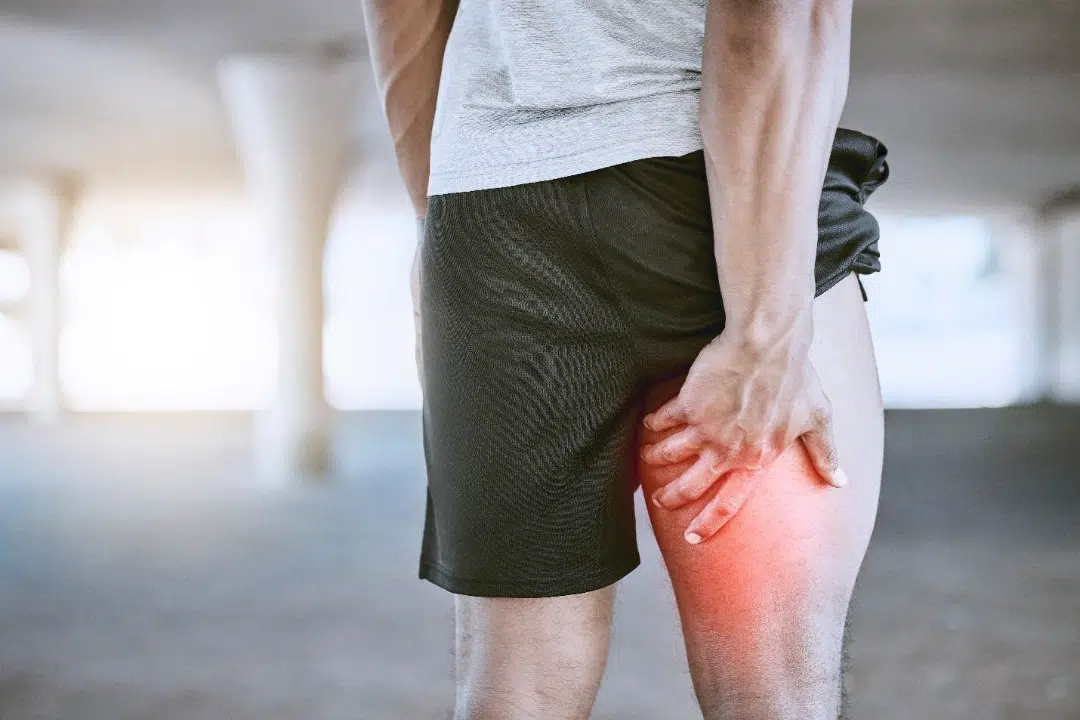
Hamstring tendinopathy affects the tendons connecting the hamstring muscles to the pelvis and lower leg.
What causes Hamstring Tendinopathy?
Hamstring tendinopathy develops when excessive or repetitive stress on the hamstring tendons leads to micro-tears, inflammation, or degeneration. This can occur due to:
Overuse and repetitive strain– high-impact activities, such as sprinting, jumping, and prolonged running place excessive stress on the hamstring tendons, increasing the risk of injury.
Poor biomechanics– incorrect running form, muscle imbalances or poor posture can lead to excessive strain on the hamstrings, contributing to tendon dysfunction.
Previous injuries – a history of hamstring strains or lower back issues can predispose an individual to hamstring tendinopathy.
Prolonged sitting – sitting for extended periods, particularly on hard surfaces, can compress the hamstring tendons, leading to irritation and discomfort.
Sudden increases in physical activity– rapidly increasing training intensity or frequency without adequate conditioning can overload the tendons, leading to microtrauma.
Tight or weak muscles– insufficient flexibility or weakness in the hamstrings, glutes or core muscles can impair movement efficiency, and increase stress on the tendons.
What are the common symptoms of Hamstring Tendinopathy?
The symptoms of hamstring tendinopathy vary in severity but typically include:
Deep pain or aching in the lower buttock or upper thigh, especially during activity or prolonged sitting.
Morning stiffness that eases with movement but may worsen after prolonged activity.
Pain during movements such as running, squatting or lunging.
Tenderness or stiffness around the hamstring attachment near the sit bone.
Weakness in the hamstrings, affecting the ability to perform explosive movements.
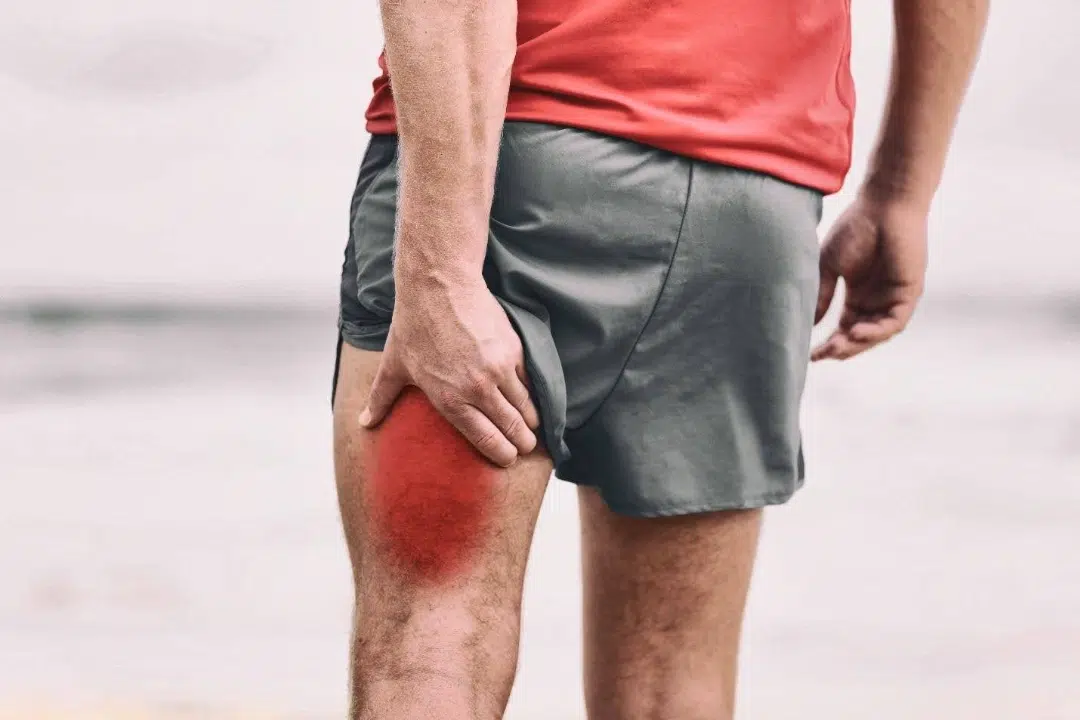
Symptoms of hamstring tendinopathy include deep pain, stiffness, and reduced strength.
Who is at risk of developing Hamstring Tendinopathy?
Several factors can increase the likelihood of developing hamstring tendinopathy. Individuals who fall into the following categories are at higher risk:
Age– hamstring tendinopathy is more common in individuals over 40, as tendons lose elasticity, and become more prone to degeneration with age.
Athletes – those who engage in sports that require repetitive sprinting, jumping or sudden accelerations, such as football, rugby, and track and field, are at a higher risk of overloading the hamstring tendon, leading to microtears, and degeneration.
Inadequate warm-up or conditioning – failing to warm up properly before exercise or neglecting strength, and flexibility training can make the hamstring muscles, and tendons more susceptible to injury.
Obesity – excess body weight places additional stress on the hamstring tendon, increasing the likelihood of overuse injuries, and inflammation.
Previous injury– a history of hamstring strains or tears increases the risk of tendinopathy, as previously injured tendons may have residual weakness or scar tissue that compromises their function.
Poor biomechanics – improper running or jumping mechanics, muscle imbalances or pelvic misalignment can increase strain on the hamstring tendon, contributing to tendinopathy.
Repetitive strain– activities that involve frequent stretching and contracting of the hamstrings, such as long-distance running, cycling or dancing, can place excessive stress on the tendon over time.
Sedentary lifestyle–prolonged sitting, particularly in occupations that require long hours at a desk, can tighten the hamstrings, and place constant pressure on the tendon’s attachment point, increasing the risk of chronic irritation.
How is Hamstring Tendinopathy diagnosed in Singapore?
Diagnosing hamstring tendinopathy requires a comprehensive assessment to determine the severity of the condition, and rule out other possible causes of posterior thigh pain.
Physical Examination
Our Orthopaedic specialist will perform several assessments to pinpoint the affected area, and assess the severity of the condition. This includes:
Palpation of the hamstring tendon– the specialist will press along the hamstring tendon, particularly near the sit bone, to check for tenderness, swelling or thickening.
Strength and flexibility tests– the patient may be asked to contract the hamstring muscles against resistance or perform a hamstring stretch to evaluate pain, stiffness, and weakness.
Functional movement assessment – analysing how the patient walks, runs or performs specific movements helps identify gait abnormalities or biomechanical issues contributing to tendon overload.
Imaging Tests
If further evaluation is needed, imaging tests may be recommended to confirm the diagnosis, and assess the extent of tendon degeneration or damage.
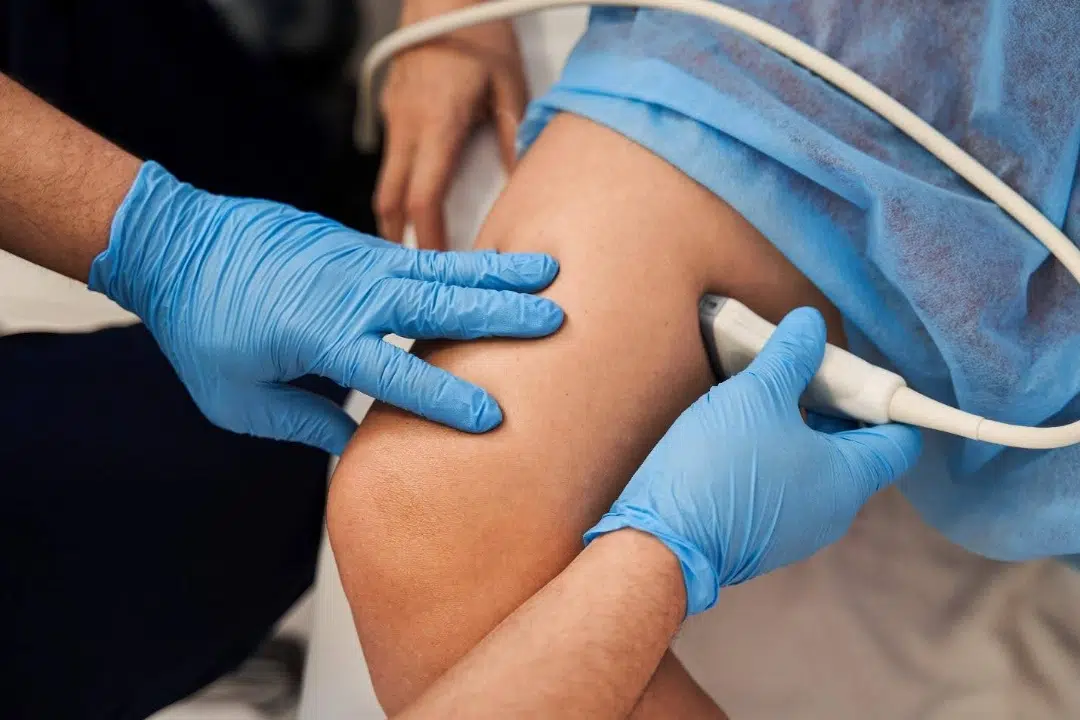
Ultrasound– this non-invasive imaging technique provides a real-time view of the hamstring tendon, allowing the specialist to detect inflammation, thickening or microtears.
Magnetic Resonance Imaging (MRI)– MRI scans offer detailed visualisation of the tendon, surrounding muscles, and soft tissues, making it particularly useful for assessing chronic tendinopathy or detecting partial tears.
X-rays– although X-rays do not show soft tissues like tendons, they may be used to rule out bone-related conditions such as avulsion fractures or hip joint abnormalities that could contribute to hamstring pain.
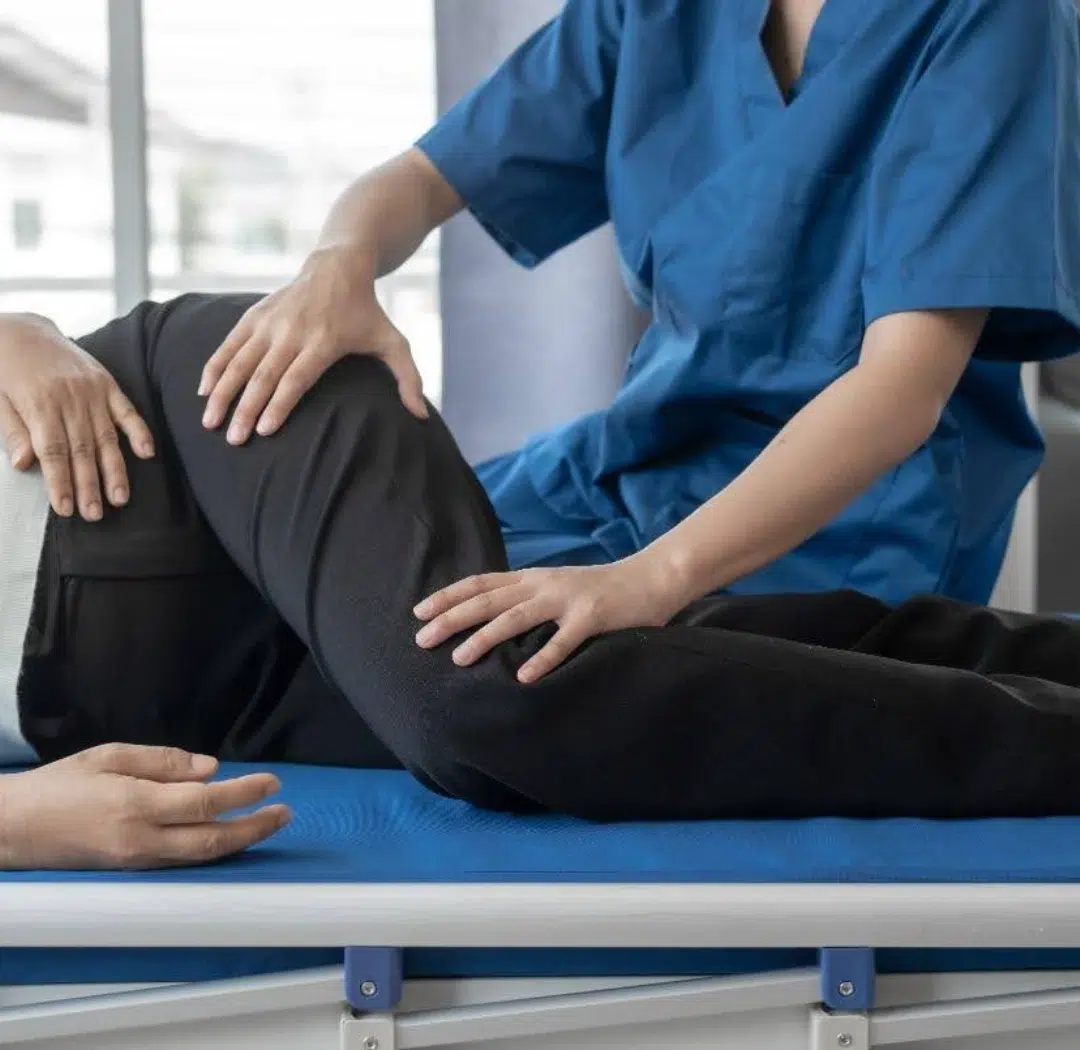
An orthopaedic specialist will use a combination of diagnostic measures to confirm a hamstring tendinopathy diagnosis.Physical therapy is essential when it comes to recovering from hamstring tendinopathy as it helps to rebuild strength, and flexibility in the hamstring.
How is Hamstring Tendinopathy treated in Singapore?
The treatment approach for hamstring tendinopathy depends on the severity of the condition, ranging from conservative management to surgical intervention in severe cases. Our Orthopaedic Specialist will tailor a personalised treatment plan to ensure optimal recovery while minimising the risk of recurrence.
Conservative Treatments
Rest and activity modification– avoiding activities that aggravate the pain, such as sprinting, jumping or prolonged sitting, allows the tendon to heal. Patients are advised to modify their training routine by reducing intensity or switching to low-impact exercises like swimming or cycling.
Ice therapy– applying ice packs to the affected area for 15 – 20 minutes several times a day helps to reduce inflammation, and alleviate pain, especially during the early stages of the condition.
Physical therapy– a structured rehabilitation programme is essential for restoring tendon function. This includes:
Eccentric strengthening exercises to promote tendon healing, and improve load tolerance.
Stretching routines to enhance hamstring flexibility, and reduce strain on the tendon.
Core, and glute strengthening exercises to improve pelvic stability, and reduce excessive stress on the hamstrings.
Shockwave therapy– Extracorporeal shockwave therapy (ESWT) may be used to stimulate tendon healing by enhancing blood circulation, and promoting tissue regeneration.
Bracing or supportive taping– in some cases, kinesiology tape or compression braces may be recommended to reduce strain on the tendon, and provide support during movement.
Medications– non-steroidal anti-inflammatory drugs (NSAIDs) may be prescribed to manage pain, and inflammation, though they should be used cautiously to avoid masking symptoms, and delaying proper healing.
Injection Therapy
Platelet-Rich Plasma (PRP) therapy– PRP injections, which use a concentration of the patient’s own platelets to promote tissue repair, have shown promising results in accelerating tendon healing.
Corticosteroid injections– while corticosteroid injections can provide short-term pain relief by reducing inflammation, they are used sparingly as they may weaken the tendon, and increase the risk of rupture.
Surgical Treatments
Hamstring tendon repair– if the tendon has sustained significant damage, surgical repair involves suturing the torn fibres or reattaching the tendon to the sit bone.
Tendon debridement– in cases of chronic tendinopathy with excessive scar tissue formation, debridement surgery removes degenerated tissue to stimulate healing.
Hamstring release surgery– for patients with persistent pain, and restricted mobility, a partial tendon release may be performed to alleviate tension while preserving function.
Rehabilitation and Recovery
Post-treatment rehabilitation plays a crucial role in ensuring a full recovery, and preventing future recurrence. Generally, a structured rehabilitation plan includes:
Gradual return to activity– patients are guided through a progressive return to physical activities, starting with gentle mobility exercises before resuming full training.
Gait and posture correction– addressing biomechanical issues, such as improper running form or poor pelvic alignment, helps prevent further strain on the hamstrings.
Long-term strength training– a continued focus on strengthening the hamstrings, glutes, and core muscles reduces the risk of reinjury, and enhances overall function.
Summary
Hamstring tendinopathy can significantly impact mobility, and daily activities, especially for those who lead active lifestyles. While it often develops gradually, early recognition of symptoms, and timely intervention can prevent the condition from worsening. A combination of rest, physiotherapy, and targeted treatments can effectively manage pain, and restore function.
If you are experiencing persistent hamstring pain or discomfort, addressing the condition early ensures better long-term outcomes, allowing you to return to your usual activities with confidence. Schedule an appointment with us today for a detailed assessment and personalised treatment plan.
It is important to seek immediate medical attention if you experience pain in your legs as it can impact your quality of life.
Conditions We Treat
Hip
Head
Hand & Wrist
Foot & Ankle
Elbow
Frequently asked questions
Yes, hamstring tendinopathy can be quite painful, particularly during activities that involve running, jumping or prolonged sitting. The pain is usually localised at the top of the hamstring, near the sitting bone, and may present as a deep, aching discomfort.
In the early stages, the pain may be mild and only occur after exercise, but as the condition progresses, it can become more persistent and interfere with daily movements, such as walking, climbing stairs or even sitting for extended periods.
If left untreated, hamstring tendinopathy can worsen over time, leading to chronic pain, and reduced mobility. The tendon may continue to degenerate, making it more vulnerable to further injury or even partial tearing.
In severe cases, prolonged tendon dysfunction can contribute to compensatory issues in other areas, such as the lower back, hips or knees, as the body tries to adapt to the pain, and altered movement patterns. Without appropriate intervention, everyday activities like sitting, walking, and exercising may become increasingly difficult, significantly impacting one’s quality of life.
Recovery time for hamstring tendinopathy varies depending on the severity of the condition, the effectiveness of treatment, and individual factors such as age, activity level, and overall health.
Mild cases– recovery may take a few weeks with rest, physiotherapy, and gradual reintroduction of activity.
Moderate cases– healing can take several months, typically around 3 to 6 months, especially if the tendon has sustained significant degeneration. A structured rehabilitation programme is essential for recovery.
Severe or chronic cases– recovery may take 6 months or longer, and in some cases, surgical intervention may be required.
Key to recovery– a patient’s commitment to physiotherapy, strengthening exercises, and lifestyle modifications plays a crucial role in reducing symptoms and preventing recurrence.
Hamstring tendinopathy can have a profound effect on daily life, particularly for individuals who are physically active. It can limit participation in sports, recreational activities, and even routine movements like bending or walking.
Athletes, and fitness enthusiasts may struggle with reduced performance, while office workers may find prolonged sitting increasingly uncomfortable. If the condition becomes chronic, it may lead to frustration, decreased motivation for physical activity, and even emotional stress.
Seeking timely treatment can help restore function, alleviate pain, and improve overall well-being.
While hamstring tendinopathy, and hamstring tendonitis both affect the hamstring tendon, they are not the same condition. Tendonitis refers to the acute inflammation of the tendon, usually resulting from a sudden injury or overuse. It often resolves with rest and short-term treatment.
Hamstring tendinopathy, on the other hand, is a more chronic condition involving tendon degeneration due to prolonged strain, repetitive stress, or improper healing. Unlike tendonitis, tendinopathy does not always involve inflammation but instead reflects structural changes in the tendon. Because of this, the management, and treatment of tendinopathy often require a more structured rehabilitation approach.
An orthopaedic specialist has the expertise to accurately diagnose, and manage hamstring tendinopathy using a tailored approach based on the severity of the condition. They can conduct a thorough physical examination, and recommend comprehensive imaging tests, such as ultrasound or MRI, to assess the extent of tendon damage.
Additionally, they can provide a comprehensive treatment plan, which may include physiotherapy, pain management strategies, and, in severe cases, minimally invasive procedures or surgery. Consulting a specialist ensures that you receive evidence-based care, reducing the risk of long-term complications and optimising recovery.
Yes, hamstring tendinopathy can recur, particularly if contributing factors are not properly managed. Some of the factors that increase the risk of recurrence include:
Inadequate rehabilitation.
Lack of strength and flexibility training.
Muscle imbalances.
Neglecting injury prevention strategies.
Poor biomechanics.
Returning to activity too soon.
Preventing hamstring tendinopathy involves a combination of strength training, flexibility exercises, and proper movement mechanics. Some of the key strategies include:
Correct biomechanics.
Cross-training.
Gradual progression of activity.
Listen to your body.
Regular stretching.
Strengthening exercises.
Proper warm-up and cool-down.
By taking proactive measures and addressing risk factors early, you can significantly reduce the likelihood of developing hamstring tendinopathy, and maintain optimal musculoskeletal health.
At Cove Orthopaedic Clinic, our utmost importance is in helping our patients maintain or regain the mobility that they deserve, all through excellent patient care right from the start.
Happy and satisfied patients are what keeps us going!
Consult Us Today
If you have further enquiries or would like to make an appointment at Cove Orthopaedic Clinic, simply fill in the form below or call us at +65 9631 7637 | +65 6475 7177