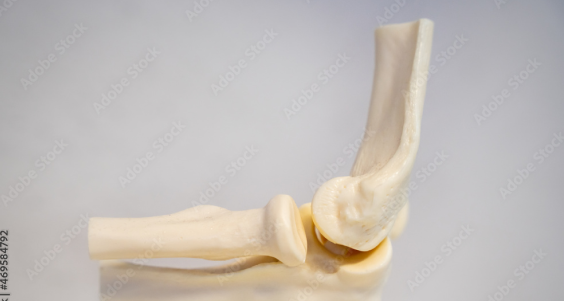
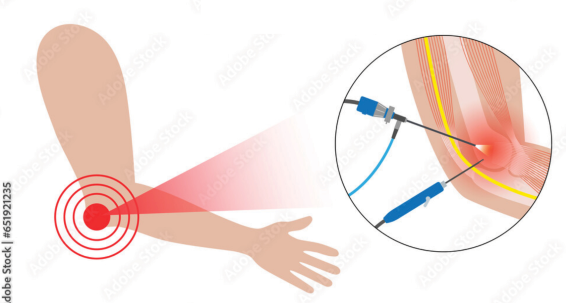
Tennis elbow is inflammation of the tendons that join the forearm muscles on the outside of the elbow. The main cause of the inflammation is damage to the tendons due to overuse, such as repetitive gripping motions which causes strains and even microscopic tears in the tissues.
Despite the name, this condition is not limited to only tennis players but anyone can develop it.
What are the symptoms?
The primary symptom of a tennis elbow is pain and tenderness on the outside of the elbow. Other symptoms include:
Pain when lifting or holding objects
Pain when lifting or holding objects
Pain when making a grip, such as gripping a tennis racket or opening a door
Pain with movement of your hand or wrist, such as shaking hands or straightening your wrist
What are the causes and risk factors?
The main cause of a tennis elbow is overuse of the tendons and muscles. Repeated use of the forearm muscles to grip objects can cause it to strain and tear, resulting in a tennis elbow.
Common repetitive usage of forearm muscles include:
Another risk factor of developing a tennis elbow is age. Tennis elbow is most commonly seen in people who are between the ages of 30 and 50.
What is the diagnosis?
A history of the injury and a physical examination of the elbow will be conducted by the Doctor. To locate the source of pain, the doctor may get you to flex or straighten your arm, wrist and fingers.
Imaging tests will be taken, such as an x-ray or MRI scan to eliminate other possible conditions.
What are the treatment options?
Most patients recover from a tennis elbow with nonsurgical treatments. These include:
Resting the arm and avoid use of the elbow
Medications for pain relief such as acetaminophen, and nonsteroidal anti-inflammatory drugs (NSAIDs) such as ibuprofen for reduction of pain and swelling in the elbow
Steroid injections such as corticosteroid injections to reduce inflammation
Physiotherapy such as gentle stretching exercises to strengthen your muscles
Elbow supports such as a brace to protect and help your elbow heal
Should nonsurgical treatments fail to alleviate the symptoms of your tennis elbow after 6 to 12 months of rest and rehabilitation, surgery may be recommended.
Surgery involves the removal of the damaged muscle and replacing it with healthy muscle. There are 2 types of surgery:
Open Surgery
This procedure involves an incision being made over the side of your elbow. The damaged part of the tendon is being removed, and the healthy portion is then reattached to the bone.
Arthroscopic Surgery
This procedure involves the use of miniature instruments and a camera to remove the damaged part of the tendon via a few tiny incisions made over the elbow.
What are the risks and complications?
Even though the surgery is safe, complications may still occur. These include:
Infection
Damage to surrounding nerve and blood vessel
Loss of strength and flexibility
Further surgery may be needed
Recover after a tennis
elbow surgery
Following a surgery for tennis elbow, you will be required to wear a splint for about 1 week. Thereafter, you will be put on a rehabilitation program where you will be doing stretching exercises to regain your muscle strength and restore your mobility and range of motion in your elbow.
After 4 to 6 months, you may return to physical athletic activity.
At Cove Orthopaedic Clinic, our utmost importance is in helping our patients maintain or regain the mobility that they deserve, all through excellent patient care right from the start.
Happy and satisfied patients are what keeps us going!
Consult Us Today
If you have further enquiries or would like to make an appointment at Cove Orthopaedic Clinic, simply fill in the form below or call us at +65 9631 7637.